Integrating Meta’s Canopy Height Model into Forest Carbon Methodologies

Discover how Meta’s open-source canopy height model and AI tools can support more accurate, cost-effective forest carbon project development. This guidebook gives developers and registries practical tips on applying high-resolution remote sensing (RS) data across key project activities.
What's Inside
- How high-resolution RS improves planning and monitoring
- Why data validation supports accurate and credible crediting
- What technical needs must be addressed to scale RS in carbon markets
Adam Hanbury-Brown, PhD
Adam Hanbury-Brown, PhD
,

Prior to joining Relae Adam was a postdoctoral researcher at Lawrence Berkeley National Lab and UC Davis where he used a state-of-the-art mechanistic vegetation model to predict how California's forests will respond to changing management, fire regimes, and climate. Adam earned his PhD in the Energy and Resources Group at UC Berkeley where he improved the representation of ecological processes in the vegetation components of Earth System Models. During his PhD Adam was also funded by NASA to use remote sensing to understand what drives post-fire forest regeneration outcomes in California.
Prior to his graduate work, Adam worked for an agriculture technology company called Terviva where he focused on the science and commercialization of a sustainable tree crop called pongamia. Adam received his BA in Environmental Science from Pitzer College.
Future Investigator in NASA Earth and Space Science Technology
NASA
Fellowship in Data Science for the 21st Century
National Science Foundation
Fellowship in Research at Biology-Mathematics Interface
National Science Foundation
Tristan Goodbody, PhD
Tristan Goodbody, PhD
Tristan earned his PhD and completed a postdoctoral fellowship at the University of British Columbia (UBC), where his research advanced the integration of 3D forest structure data from digital aerial photogrammetry and lidar to improve forest inventories. His postdoctoral work further refined forest management strategies by optimizing structurally guided forest sampling methods.
In his current role, Tristan provides expertise to identify high-quality nature-based carbon projects. His experience spans carbon projects across North and South America, where he specializes in evaluating carbon claims using satellite data, assessing deforestation trends, and advising clients on leveraging geospatial data for decision-making in the carbon market.
Tristan is passionate about designing and maintaining advanced geospatial workflows that include application of remote sensing techniques to carbon management. His blend of academic and private sector experience has helped him in successfully integrating technology and environmental science to drive effective carbon management solutions.
2019 National Best Doctoral Thesis
Canadian Remote Sensing Society
Doctoral Postgraduate Scholarship
Natural Sciences and Engineering Research Council of Canada
Letty Brown, PhD
Letty Brown, PhD
,
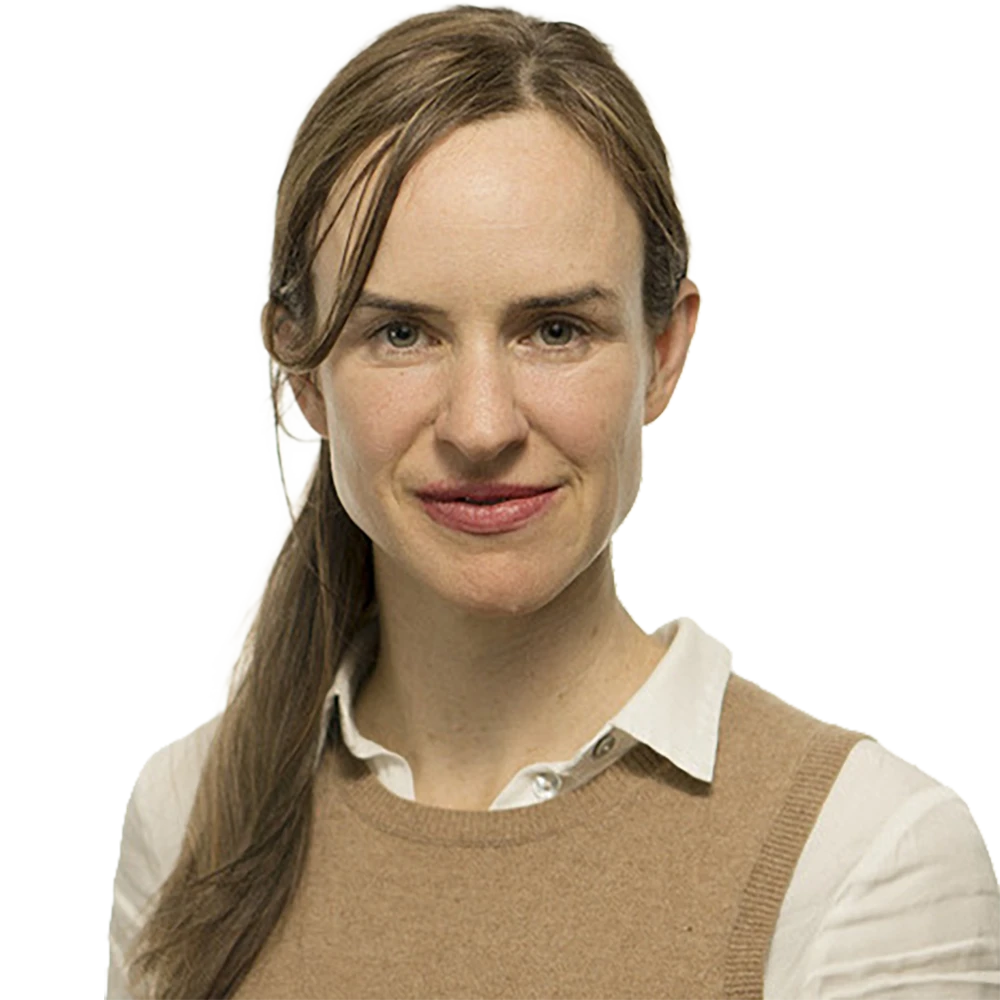
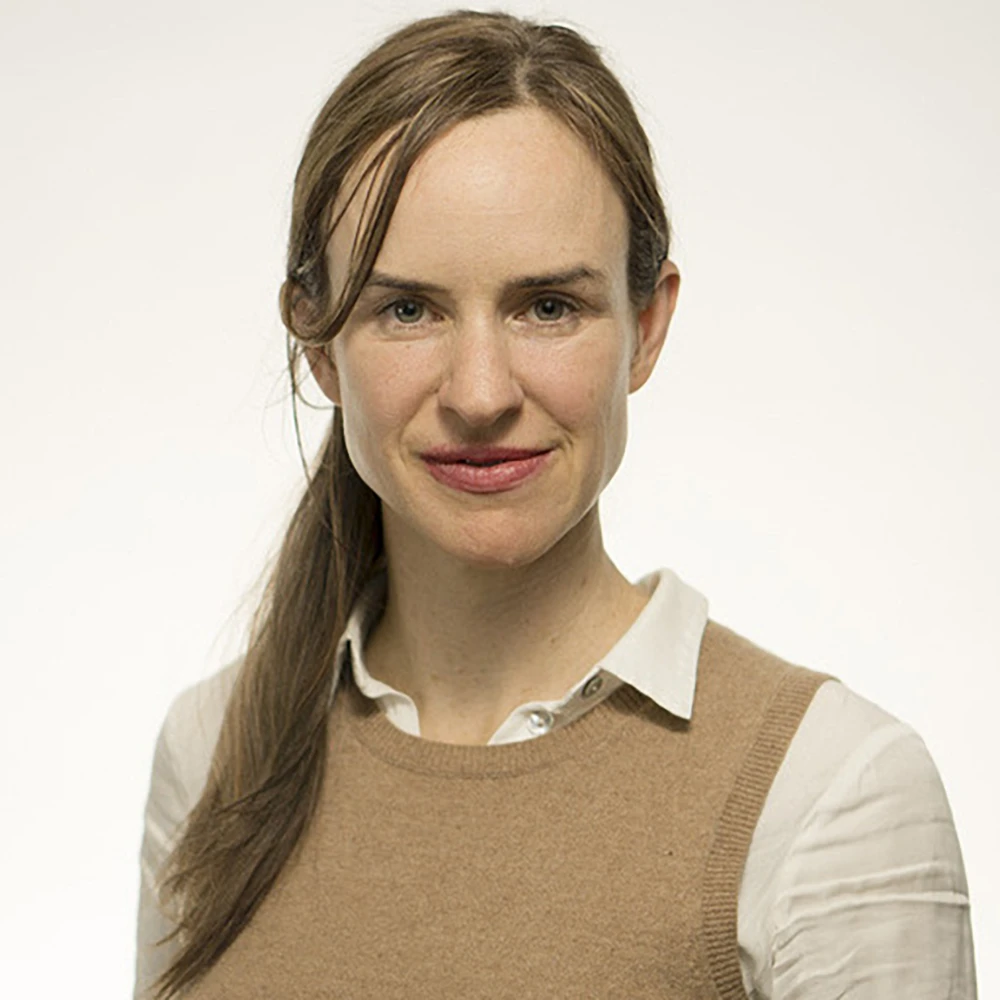
Dr. Brown holds cross-sector expertise in ecosystem restoration, vegetation ecology, conservation planning, carbon measurement, and natural climate solutions. Before joining Relae, she worked extensively in natural resources management, and led research teams in a variety of capacities, including mapping and helping designate conservation targets in the northern Brazilian Atlantic Forest and developing oak woodland restoration plans in coastal California. She has worked on land-based carbon projects in the forests of Brazil, Peru, Colombia, Ecuador, Guatemala, Costa Rica, Panama, Cambodia, Indonesia, Kenya, Tanzania and the United States. Dr. Brown holds a Ph.D. from the Environmental Science, Policy, and Management (ESPM) Department at UC Berkeley and conducted post-doctoral work in Brazil. Her graduate work was supported by a 5-year grant from the USDA-Forest Service. Dr. Brown currently teaches at UC Berkeley. She is also a Fulbright Scholar.
Fulbright Scholar, Fulbright Program; UC Berkeley Environmental Science Policy and Management Research Fellowship; Duke University Organization for Tropical Studies Fellowship; National Science Foundation Travel and Workshop Grant; California Native Plant Society Scholarship
Colin McCormick, PhD
Colin McCormick, PhD
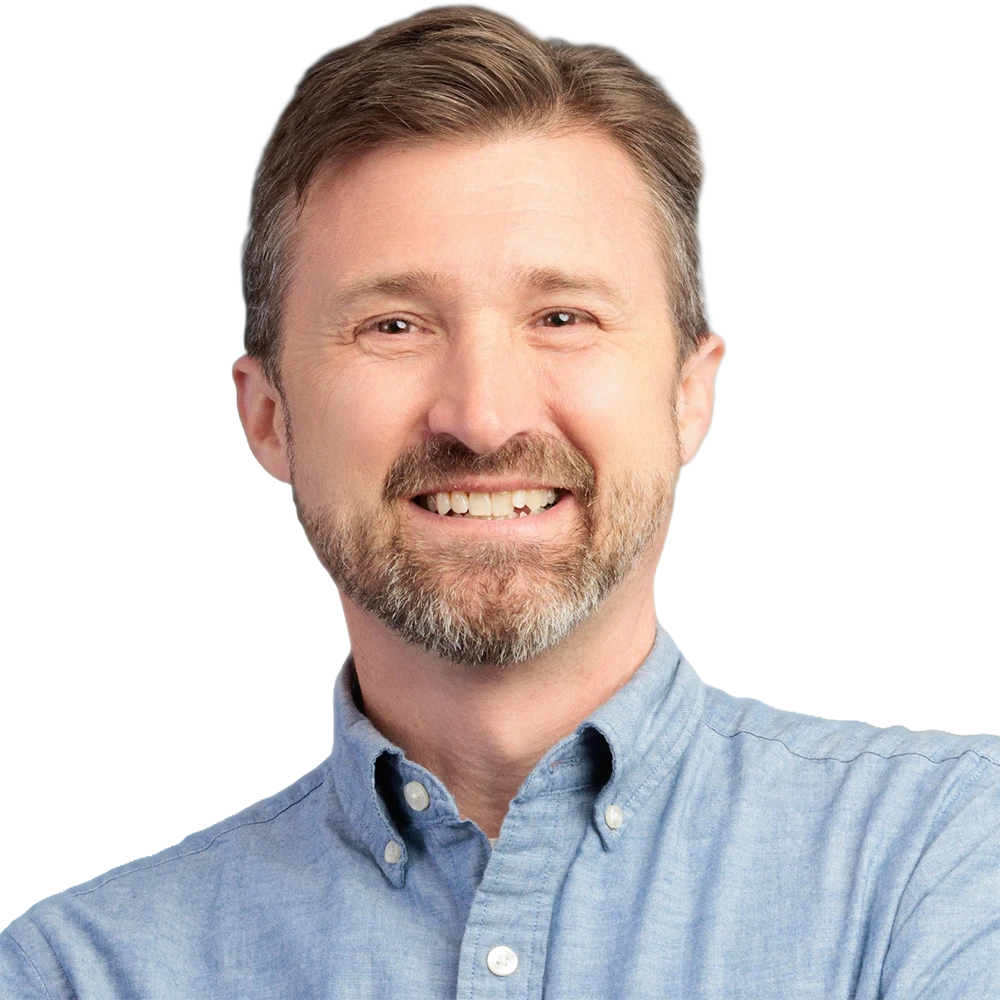
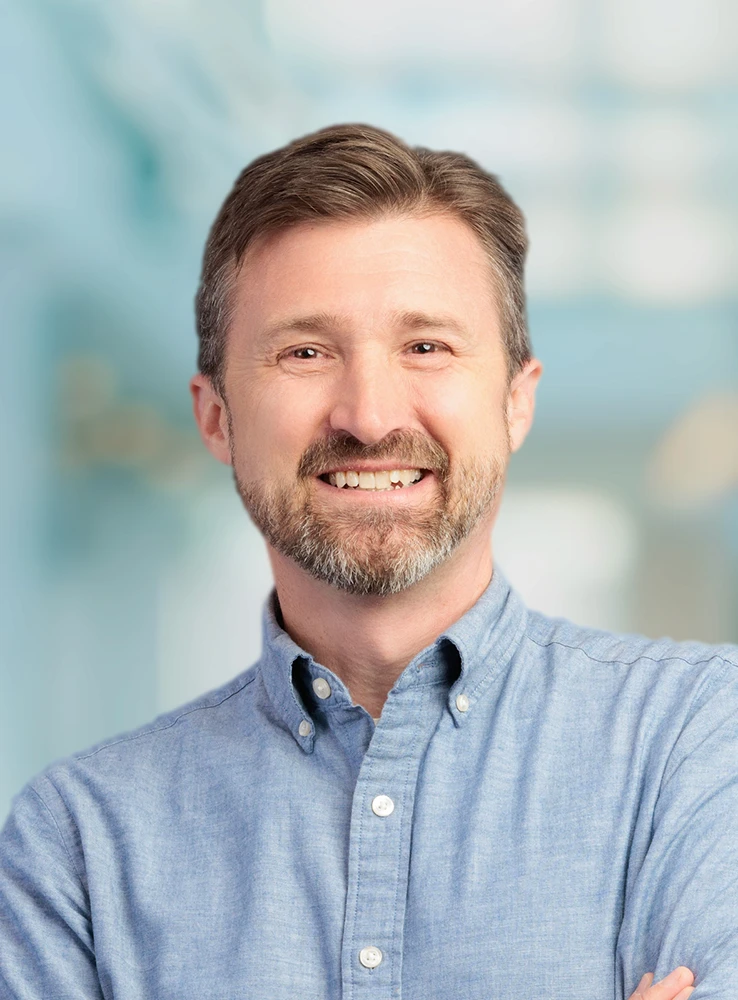
Dr. Colin McCormick directs Relae's work in power and electricity, data center infrastructure, grid reliability, and space technologies. Trained as an optical physicist and data scientist, he conducted research in applied quantum optics and atomic physics at UC Berkeley and NIST. He previously served as the Senior Advisor for R&D at the US Department of Energy, overseeing the applied energy research portfolio in energy efficiency, renewables, energy storage, grid technologies, electric vehicles and related areas. Earlier, he was a Professional Staff Member for the House Science & Technology Committee, focusing on technology and innovation policy, data interoperability, and technical standards development. He is an Adjunct Professor in the Science, Technology and International Affairs program at Georgetown University where he teaches classes on deep decarbonization and AI & autonomous systems. He is also a Commissioner on the District of Columbia Commission on Climate Change and Resiliency. He has worked extensively with the Climate TRACE consortium, and is a member of the Carbon Mapper Science & Measurement Committee. He was previously a member of the WattTime Board of Directors.
Secretary of Energy Achievement Award, Getting to Neutral report (2021)
Secretary of Energy Appreciation Award (2010, 2012)
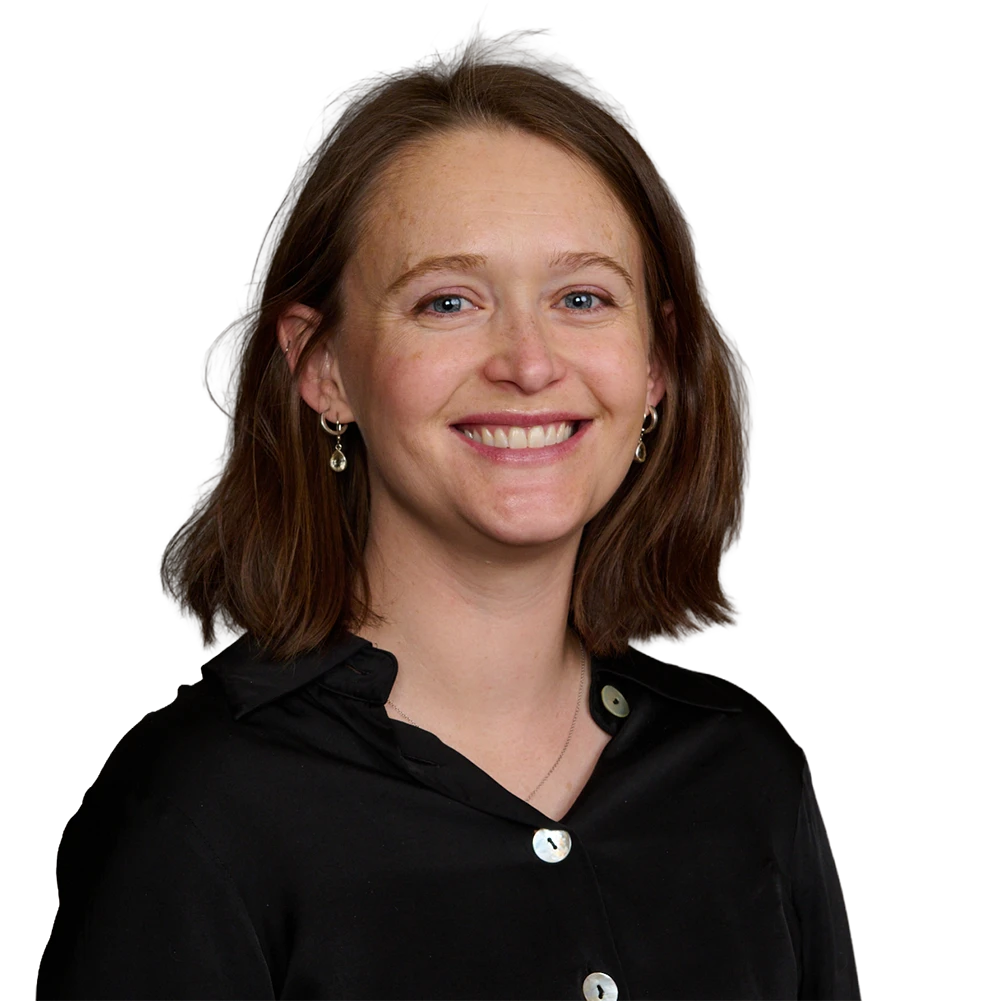
Sanna O'Connor-Morberg
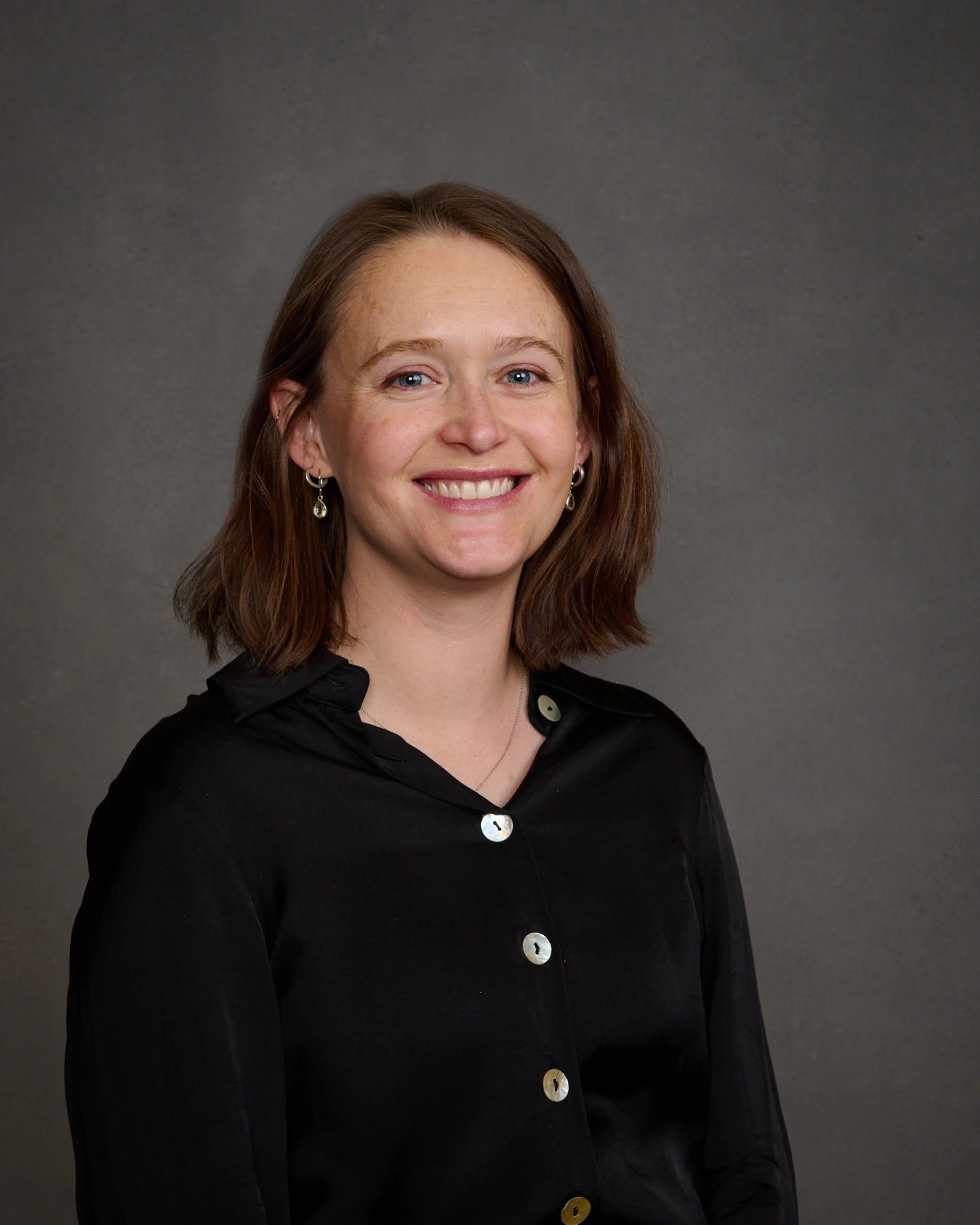
Sanna O'Connor-Morberg
,
Sanna works closely with clients to advise them on high-quality carbon reduction and removal strategies and solutions, bridging science and impact-focused outcomes.
Sanna has worked in environmental science advisory since 2014. She draws on her professional experience in environmental engineering and strategic advisory with expertise in climate earth systems, land use and water resource management, and urban climate adaptation.
Prior to Relae, Sanna was the Carbon Dioxide Removal Lead for the Energy Transitions Commission, publishing Mind the Gap: How Carbon Dioxide Removals Must Complement Deep Decarbonisation to Keep 1.5°C Alive in 2022. While at SYSTEMIQ, a sustainability-focused systems change company, Sanna was research manager for the Food and Land Use Coalition during the publication of Growing Better: 10 Critical Transitions to Transform Food and Land Use (laying out one of the first roadmaps for the global food systems transition). She also provided advisory services to the UNEP International Resource Panel on their 2021 strategic direction. She began her career as an civil and environmental engineer, focusing on climate resilient design for major infrastructure developments.
Sanna is a Fulbright Scholar, and has worked in New Zealand, the United States, and the United Kingdom.
Science and Innovation Graduate Award, Fulbright
International Peace Scholarship for Women, P.E.O
Scholarship, New Zealand Resource and Management Law Association
Scholarship, Carpenter Sperry Fund, Yale School of Forestry and Environmental Studies
Best Practice Award, YMCA Wastewater Management Strategy Plan with Beca Group Ltd, New Zealand Planning Institute

Sarah Federman, PhD
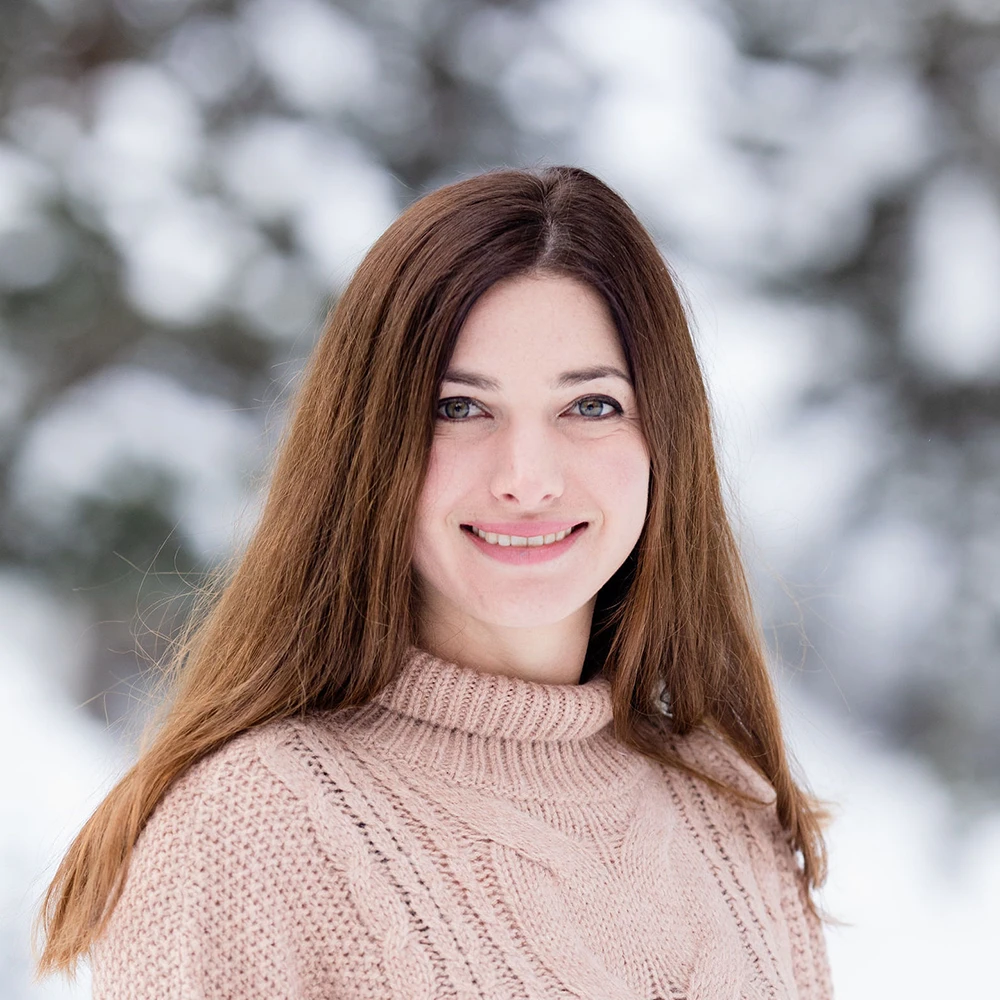
Sarah Federman, PhD
,
Dr. Sarah Federman has cross-sector expertise in analytics, forest conservation, working lands policy, and the science underpinning biodiverse and resilient landscapes.
In the policy sector, Dr. Federman contributed as a lead author and coordinator to R&D roadmaps for landscape resiliency and climate-smart innovation for the US Department of Agriculture's Office of the Chief Scientist. While at the USDA, she also supported a federal interagency R&D strategy with the Department of Energy focused on the circular carbon economy. In the private sector, Dr. Federman led, developed, and implemented data-driven continuous improvement frameworks for an indoor agricultural technology startup, as part of a broader strategy to enable responsible vertical scaling.
In academia, Dr. Federman has deep expertise in the ecological dynamics supporting the structure and function of tropical forests. Her work includes peer-reviewed recommendations for forest conservation and management of critically endangered species. She has managed multilateral teams and collaborations in Peru, Madagascar, and Trinidad and Tobago focused on forest ecology and conservation.
Dr. Federman holds a PhD from Yale University's Department of Ecology and Evolutionary Biology and a M.S. in forest science from the Yale School of the Environment. Her graduate studies were supported by the National Science Foundation's Graduate Student Research Fellowship Program.
AAAS Science Technology & Policy Fellow, USDA Office of the Chief Scientist
John Spangler Nicholas Prize for best dissertation, Yale University Ecology & Evolutionary Biology
George Gaylord Simpson Prize, Yale Peabody Museum
National Science Foundation Graduate Student Research Fellow
Strachan Donnelley Student Award for outstanding thesis, Yale School of the Environment
Princeton in Latin America Fellow
Centennial Scholar, Barnard College

Vish Arora
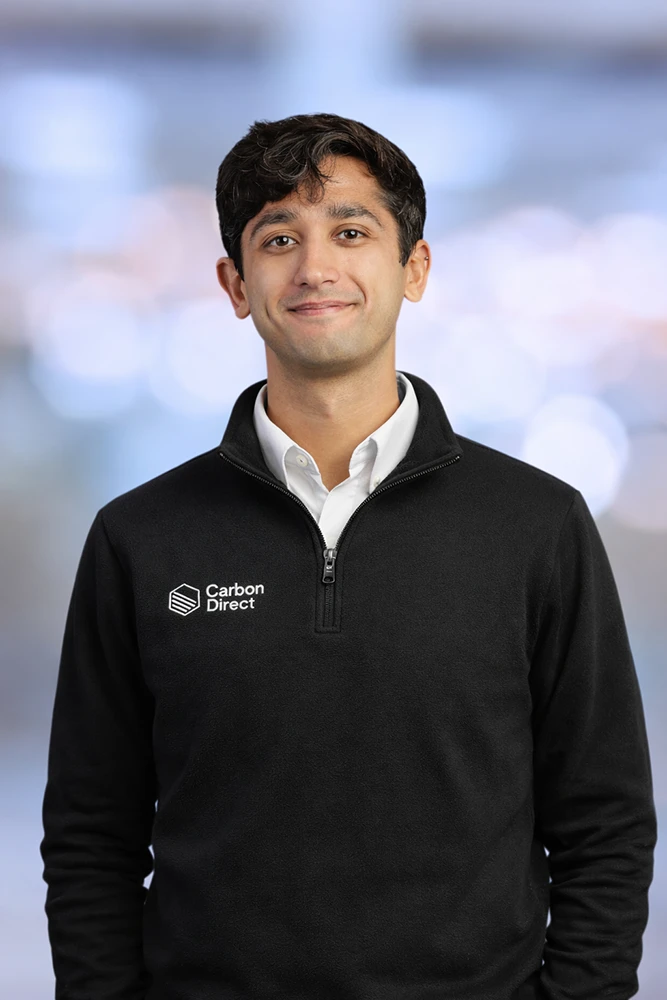
Vish Arora
,
Vish draws on his extensive corporate strategy consulting experience, supporting clients across a range of industries, to set purpose-driven strategies.
Prior to joining Relae, Vish was a Manager in PwC’s Sustainability & Climate Change team in London, where he led teams advising clients on net-zero targets, decarbonization strategy, climate and ESG reporting, and climate impact measurement in sectors spanning financial services, consumer goods, and charities.
While at PwC, Vish led development of the Science Based Targets initiative's first 1.5°C-aligned target-setting guidance for the buildings sector, which accounts for over 30% of global emissions.
Vish began his career in healthcare strategy at Strategy&. He is based in London.