The Navigator, April 2026 Edition

Ready or Not: New Rules of Climate Engagement
New compliance obligations, maturing markets, and shifting corporate expectations are converging. This edition explores what that means for Article 6, the Carbon Border Adjustment Mechanism (CBAM), superpollutants, and carbon dioxide removal (CDR).
What's Inside
- Host country authorization can make or break an internationally transferred mitigation outcome (ITMO).
- CBAM is in enforcement; producers selling into the EU need a verified emissions strategy now.
- Superpollutants are an outsized near-term climate opportunity.

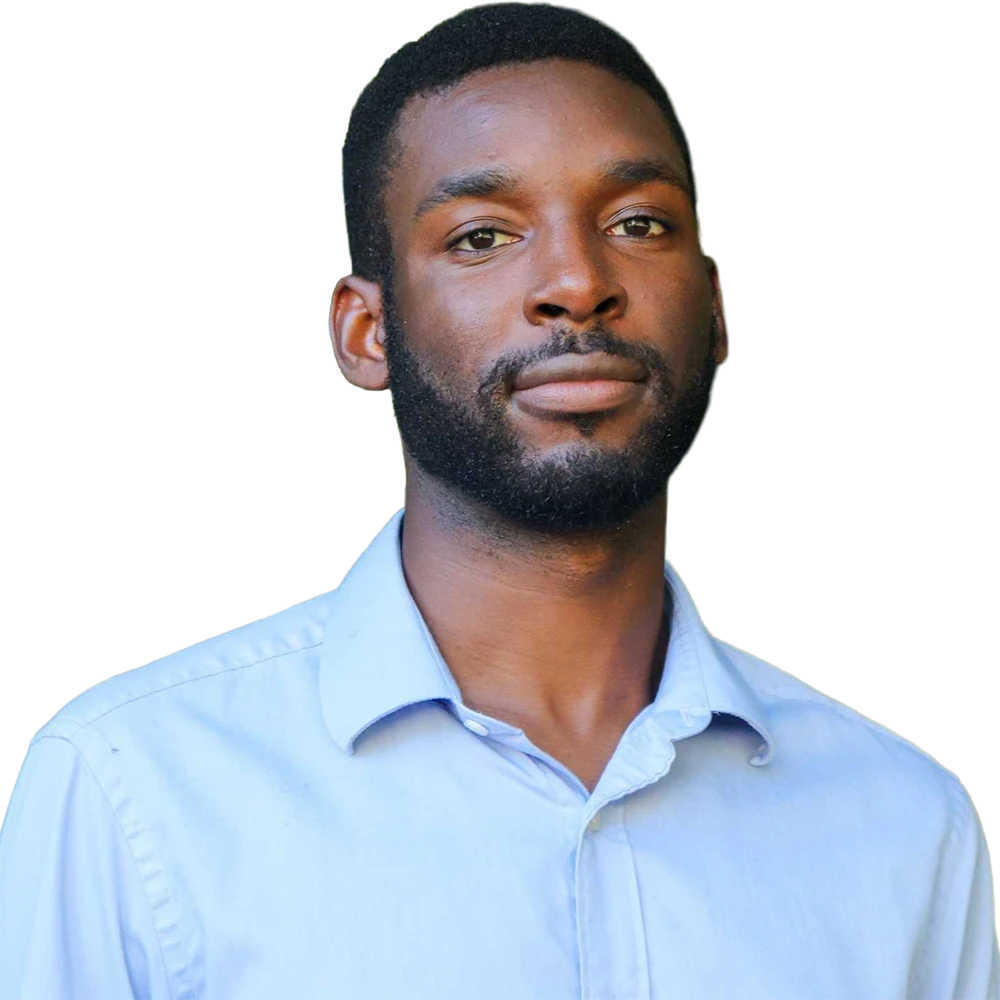
Chimdi Obienu
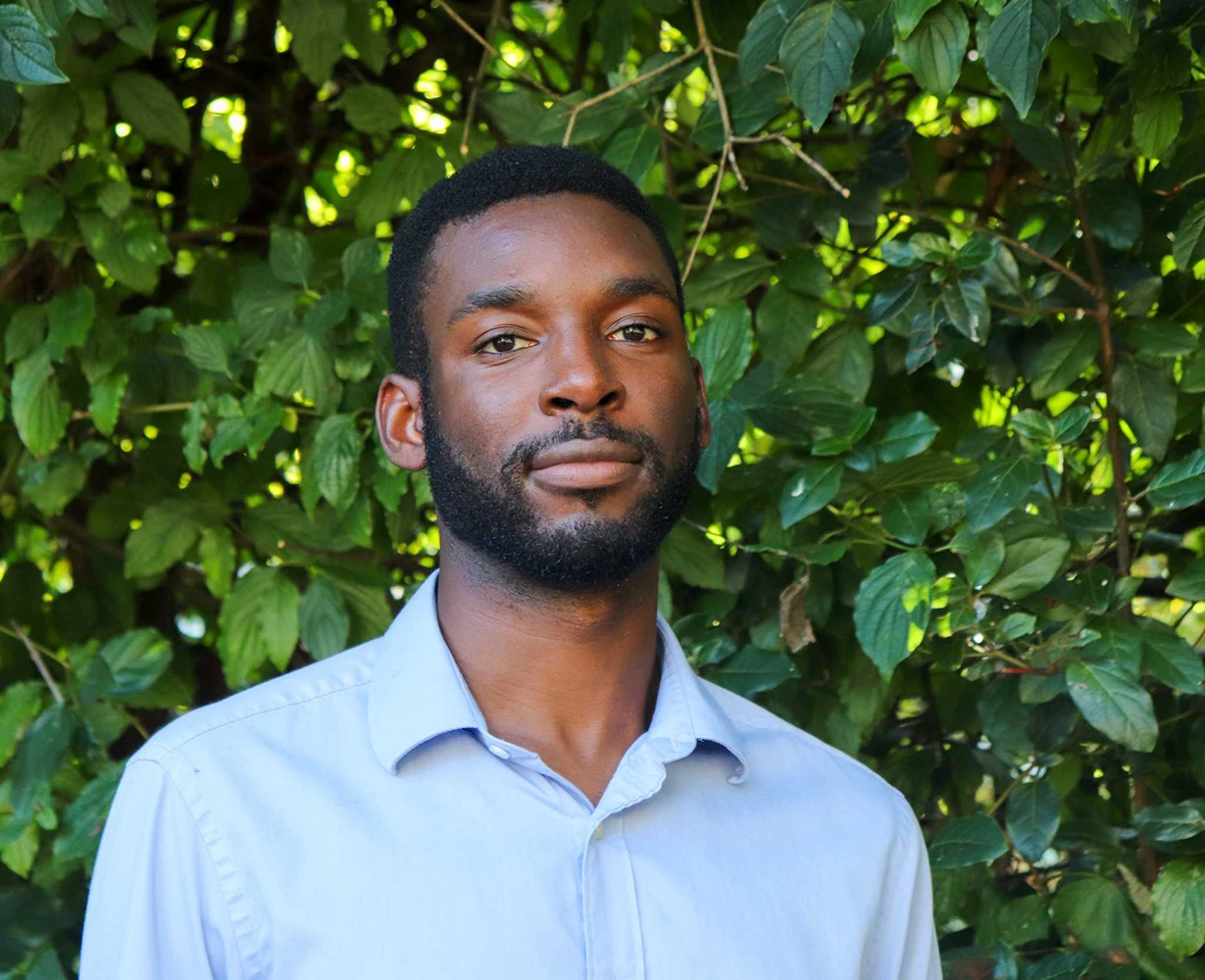
Chimdi Obienu
,

Before Relae, Chimdi worked as the Carbon Markets Data and Policy Lead at EcoAct (part of Schneider Electric), where he created the knowledge management system covering frameworks such as CORSIA, Article 6 of the Paris Agreement, and the ICVCM Core Carbon Principles. As part of the Research and Innovation Team, he built scenario modeling tools to quantify the exposure to regulatory carbon pricing mechanisms, such as the EU ETS and CBAM, as well as the costs of assorted carbon offsetting approaches.
At EcoAct, Chimdi also worked as a sustainability consultant, supporting clients with GHG inventory accounting, environmental disclosures (e.g., CDP), and the development of decarbonization strategies.
Chimdi began his career in Washington DC, advising clients on policy developments and technology innovation across the energy and transportation sectors.
Best Student, University of Sussex MSc in Energy Policy
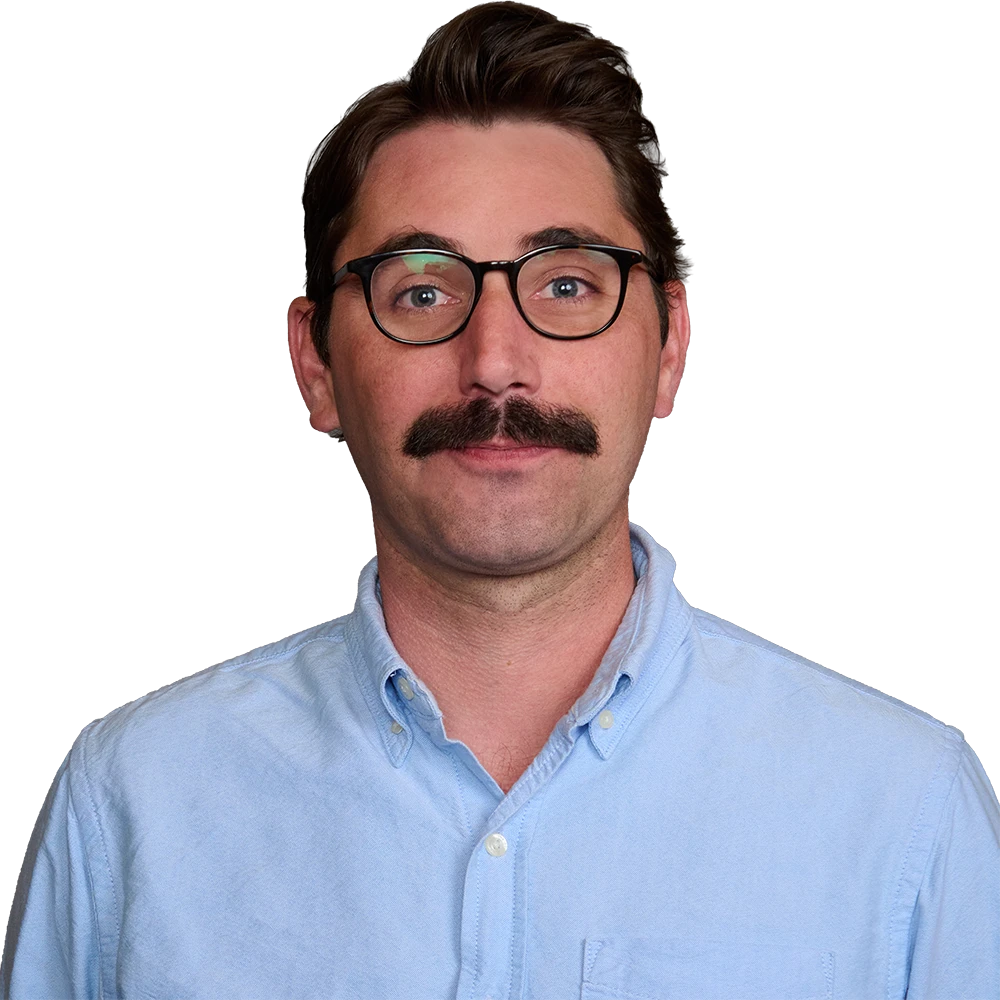
Rory Jacobson
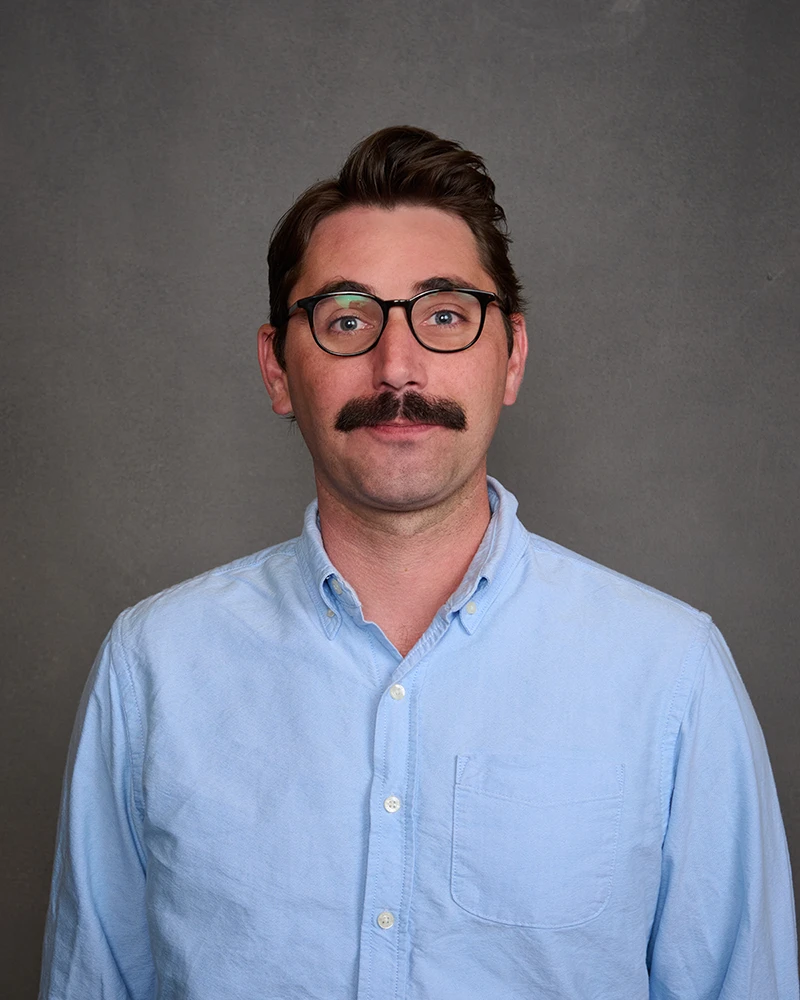
Rory Jacobson
Rory Jacobson is the Head of Policy at Relae. Previously, he served as the Director of the Carbon Dioxide Removal program within the Office of Fossil Energy and Carbon Management (FECM) at the U.S. Department of Energy (DOE). In previous roles at DOE, Jacobson has supported and coordinated FECM’s carbon removal and management programs and projects.
Prior to joining DOE, Jacobson was a Deputy Director of Policy at Carbon180, where he managed the federal policy portfolio for engineered carbon removal pathways. He has led carbon management research and analysis in multiple roles, including with the Natural Resources Defense Council and the World Resources Institute, and Relae. Jacobson received his master’s in environmental management from the Yale School of Forestry, where he was a Kerry Fellow.
Kerry Fellowship (2021-2022)
Yale Jackson School of Global Affairs
Secretary’s Honor Award (2023)
U.S. Department of Energy

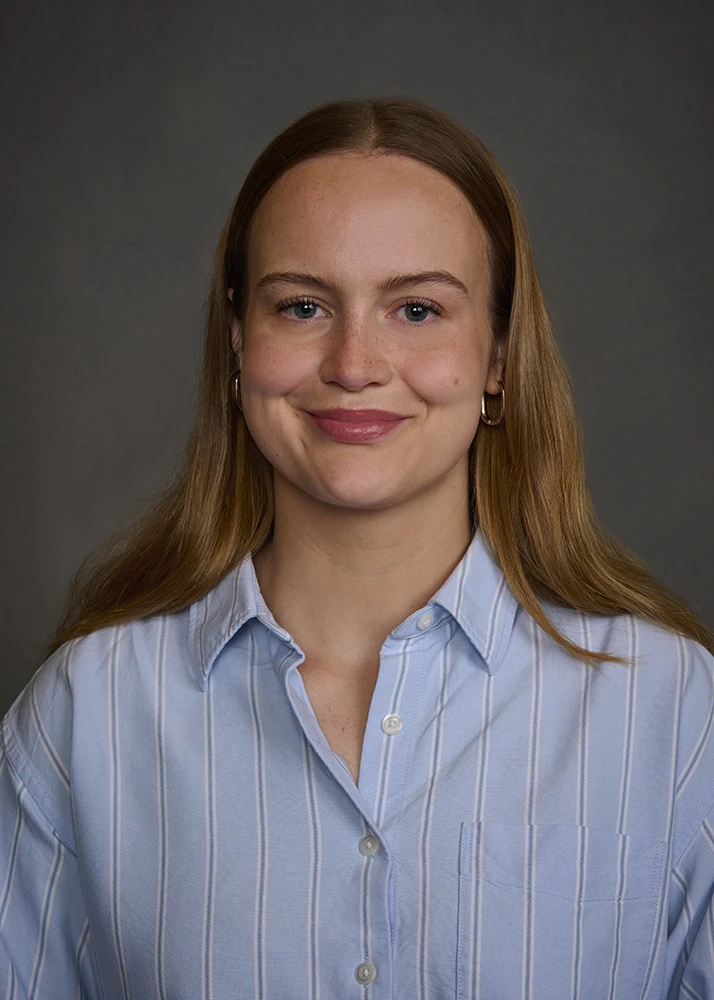

Shirin Mavandad

Shirin Mavandad
Shirin has a diverse professional background spanning nature based solutions, energy policy, and data analysis. Before joining Relae, she worked as a Research Associate for CLASP where she conducted policyresearch on the efficiency and accessibility of household appliances across an international landscape. Prior to CLASP, she also worked at Indufor North America where she supported client-based consulting work relating to landscape conservation and forestry. During her time in undergrad, Shirin also worked in the UC Davis SCOW lab where she facilitated research on enhancing the carbon sequestration properties of agricultural soils.

Matt McDaniel

Matt McDaniel
,
Matt evaluates engineered carbon management projects from early screening through diligence and construction readiness, and sometimes operations. The projects vary widely in size, from first-of-a-kind facilities removing a few thousand tonnes to offtakes in the hundreds of thousands, including one of the largest permanent carbon removal agreements signed to date. He assesses whether the process design is sound, whether the cost and performance assumptions hold up, and whether the team can get the plant running on time.
He works across direct air capture, point source capture, and the power and cooling demands of data centers and AI infrastructure, where growth in computing is running into carbon limits. He has also worked on the engineering side of this, doing mechanical design and computational fluid dynamics modeling for a data center engineering firm.
Before joining Carbon Direct, Matt spent over a decade delivering capital projects in chemicals manufacturing and defense contracting. He managed more than $200 million of work, from plant maintenance jobs under $500,000 to greenfield builds of $60 million to over $100 million. When design decisions turned into construction problems and cost overruns, he was the engineer others called in to fix them. His engineering and business background lets him speak to what a technology can physically do as well as what it will cost to build and operate at scale. Clients get a clear read on where a project's real risks sit and what it would take to retire them.
Licensed professional engineer (PE)
Project management professional (PMP)
Agile certified practitioner (PMI-ACP)

Vish Arora

Vish Arora
,
Vish draws on his extensive corporate strategy consulting experience, supporting clients across a range of industries, to set purpose-driven strategies.
Prior to joining Relae, Vish was a Manager in PwC’s Sustainability & Climate Change team in London, where he led teams advising clients on net-zero targets, decarbonization strategy, climate and ESG reporting, and climate impact measurement in sectors spanning financial services, consumer goods, and charities.
While at PwC, Vish led development of the Science Based Targets initiative's first 1.5°C-aligned target-setting guidance for the buildings sector, which accounts for over 30% of global emissions.
Vish began his career in healthcare strategy at Strategy&. He is based in London.
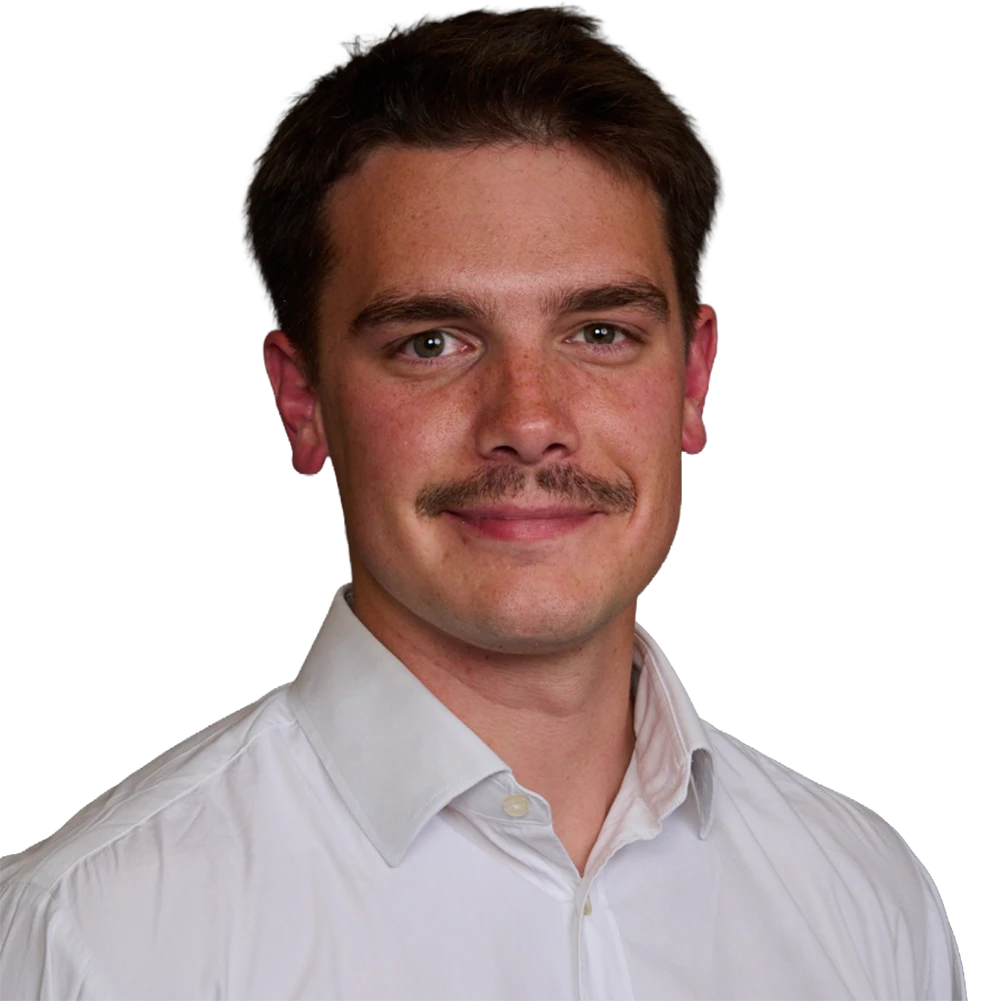
Alex McCann
Alex McCann
,
Alex’s professional journey began by developing local and national policy on the built environment and renewable energy, which then shifted towards supporting businesses and built environment projects decarbonise at a strategic level.
More recently, Alex has led research on carbon markets and digitalization of energy systems, whilst keeping a keen eye on the challenges and opportunities of hydrogen. Alex’s career highlights include speaking at the House of Lords at UK Parliament, to ministers and politicians, to promote the case for net zero policy in the built environment to support the energy transition.
Prior to working professionally, throughout his MSc degree in Climate Change & Environmental Policy, Alex had an academic focus on climate modeling working alongside IPCC scientists, assessing temperature projections relating to tipping points and how this impacts the feasibility of achieving Paris Agreement targets.
Alex has retained an impact-led ethos throughout his career to date, consistently prioritizing deep decarbonization efforts whilst ensuring core business functions remain relevant.

Mila Stieglitz-Courtney

Mila Stieglitz-Courtney
,
Mila has professional and academic experience spanning carbon markets, climate-smart agriculture, and net-zero strategy. Prior to joining Relae, Mila worked at Climate Impact Partners, where she conducted strategic research on corporate sustainability and the voluntary carbon market. There she developed a deep understanding of the role of nature-based carbon removal in credible private sector climate strategies. Her work spanned the impacts of regulatory and market initiatives on carbon credit demand and corporate claims, such as Article 6 of the Paris Agreement, the Voluntary Carbon Markets Integrity Initiative (VCMI), and the Science-Based Targets Initiative (SBTi). Before Climate Impact Partners, she worked as a Summer Analyst at Bloomberg New Energy Finance (BNEF), where she conducted client-facing research on the economics and carbon storage potential of regenerative agriculture in the United States. Mila holds an MS in Energy Systems and Data Analytics from University College London and a BA in Economics and Geography from Trinity College Dublin. In her postgraduate degree, her work focused on using machine learning models to forecast global crop yields under different climate scenarios.
Foundation Scholar, Trinity College Dublin