The Navigator, July 2025 Edition

Insights to navigate rapidly evolving carbon markets
This quarter: The EU’s Clean Industrial Deal and its global implications, private actors and philanthropy in filling US climate policy gaps, and the latest science on scaling enhanced rock weathering, ocean alkalinity, and electrochemical DAC.
What's Inside
- Private and philanthropic efforts fill gaps in US climate policy
- EU clean industry deal may reshape procurement and investment
- New CDR pathways face quantification hurdles
- EACs support decarbonization in concrete and steel
- SAF mandates shift compliance economics
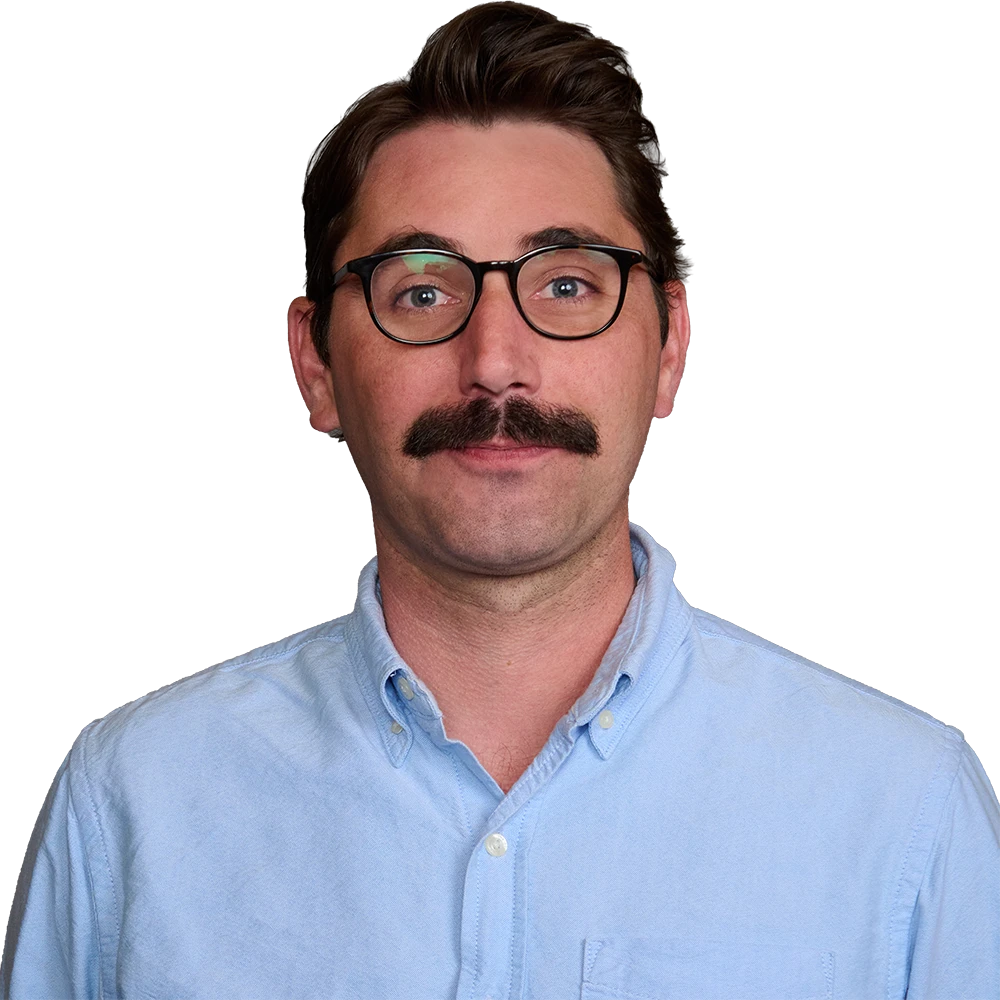
Rory Jacobson
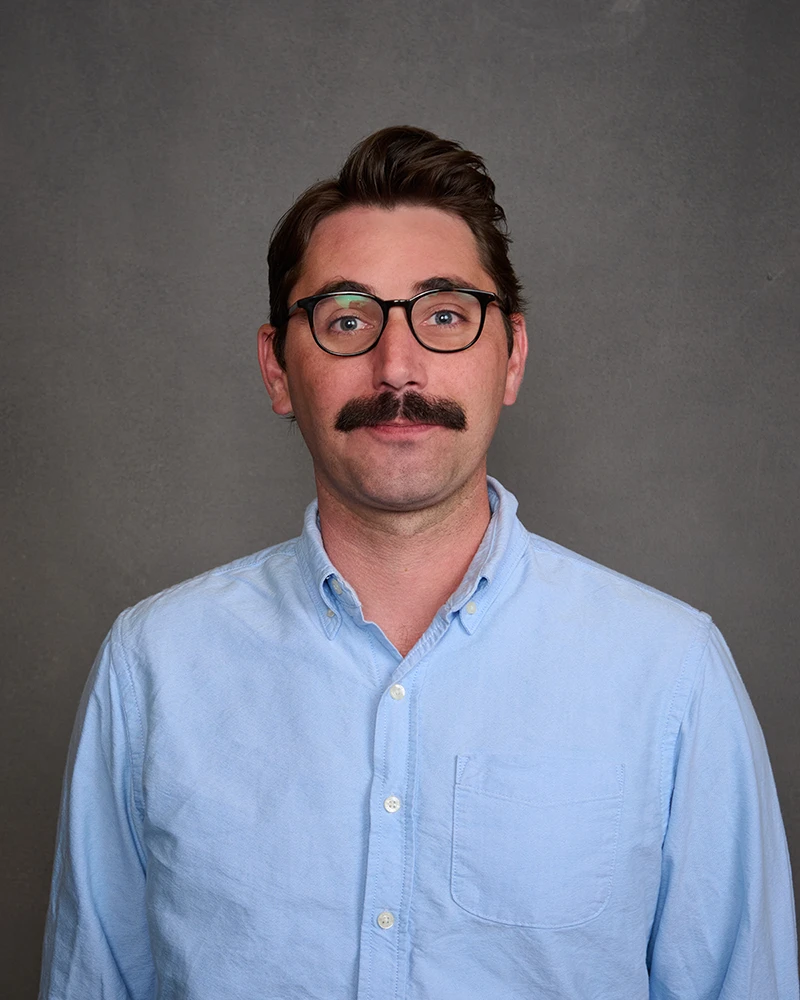
Rory Jacobson

Rory Jacobson is the Head of Policy at Relae. Previously, he served as the Director of the Carbon Dioxide Removal program within the Office of Fossil Energy and Carbon Management (FECM) at the U.S. Department of Energy (DOE). In previous roles at DOE, Jacobson has supported and coordinated FECM’s carbon removal and management programs and projects.
Prior to joining DOE, Jacobson was a Deputy Director of Policy at Carbon180, where he managed the federal policy portfolio for engineered carbon removal pathways. He has led carbon management research and analysis in multiple roles, including with the Natural Resources Defense Council and the World Resources Institute, and Relae. Jacobson received his master’s in environmental management from the Yale School of Forestry, where he was a Kerry Fellow.
Kerry Fellowship (2021-2022)
Yale Jackson School of Global Affairs
Secretary’s Honor Award (2023)
U.S. Department of Energy

Katherine Vaz Gomes, PhD
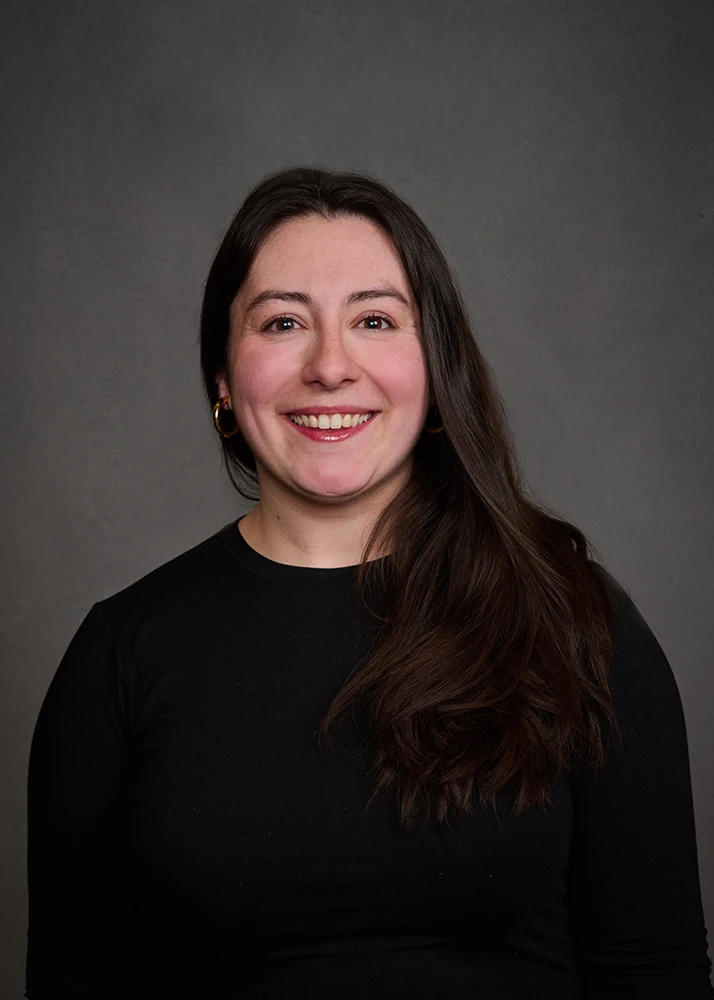
Katherine Vaz Gomes, PhD
,
Katherine Vaz Gomes is a senior decarbonization engineer dedicated to advancing carbon management solutions that bridge scientific innovation with real-world implementation. With a background in chemical and biomolecular engineering, she specializes in carbon mineralization, critical mineral extraction, and techno-economic assessment of emerging decarbonization technologies.
At Relae, Katherine advises clients on the technologies to reduce the emissions of cement, concrete, and mining while maintaining economic growth. She works on strategies to lower the carbon intensity of concrete by integrating carbon mineralization into cement production and utilizing industrial waste streams as feedstocks for carbon removal. Her expertise in circular economy principles helps industries scale up low-carbon solutions by repurposing byproducts from mining and industrial processes into valuable materials.
Katherine conducts due diligence on carbon management projects, ensuring that emerging technologies are scientifically robust, economically viable, and scalable. She also supports decarbonization strategies for the mining sector, evaluating pathways to capture and store carbon in mine tailings while extracting critical minerals essential for the energy transition.
Katherine received a PhD in Chemical Engineering at the University of Pennsylvania, with a focus on the process engineering, techno economics, and government regulations involved in using mining waste to store greenhouse gases and produce critical minerals.
Critical Mineral Leadership Academy, Inaugural Cohort
Columbia University Women in Energy Fellowship, 2026 Cohort

John Dees, PhD
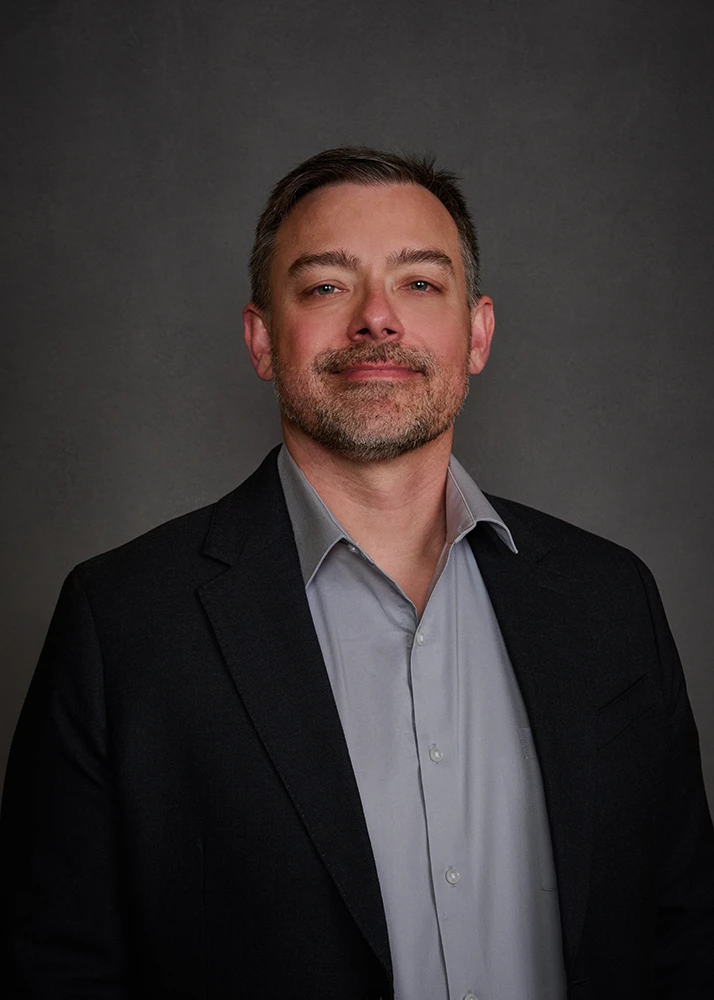
John Dees, PhD
,
Dr. Dees leads Relae's scientific advisory practice for the transportation fuel and industrial commodity sectors. He brings interdisciplinary expertise to the bioeconomy and bioenergy systems, bridging industrial ecology, economics, and climate policy to drive decarbonization. As a researcher, Dr. Dees explored the role of biomass as both an energy feedstock and a substrate for carbon removal (BiCRS), integrating technoeconomic analysis and life cycle assessment with market-enabling policy. His work has been featured in leading academic journals, including Environmental Science and Technology, Green Chemistry, and ES&T Water. Over a two-year collaboration with the Energy Systems team at Lawrence Livermore National Laboratory, Dr. Dees was a lead contributor to the US DRIVE Net-Zero Carbon Fuels Technical Analysis, evaluating the potential for ethanol decarbonization and the climate impacts of sustainable aviation fuels (SAF). At Relae, he directs an interdisciplinary team to provide strategic guidance at the intersection of transport fuels and heavy industry. He has spearheaded the development of industry-standard resources, including the Sustainable Aviation Fuel Primer and the Criteria for High-Quality Environmental Attribute Certificates for the steel and concrete sectors.
Graduate Fellow (2015-2020), NSF; Udall Scholar (2014), Udall Foundation

Nicole Egna

Nicole Egna
Nicole has worked in environmental science and data since 2017. At Bloomberg L.P. she served as the Carbon Data Product Owner, leading management of the firm’s global carbon-market data portfolio—standardising datasets, leading back-end modelling and coordinating across data, engineering and product teams to keep Bloomberg’s environmental offering ahead of market needs.
Before joining Bloomberg, Nicole spearheaded data analytics for the San Diego Zoo Wildlife Alliance’s Giraffe Conservation Program, applying machine-learning algorithms and remote-sensing techniques to millions of camera-trap images. Her analyses delivered the population insights that supported the IUCN’s decision to reclassify giraffes from Vulnerable to Endangered.
While completing her graduate studies at Duke University, Nicole held several research appointments: she led a distance-sampling survey of cetaceans with the Duke Marine Geospatial Lab; collaborated with the Poulsen Lab to deploy allometric equations for estimating forest carbon stocks in Gabon; and completed a master’s thesis linking environmental drivers to giraffe occupancy patterns in Kenya.
Earlier, Nicole worked on the Conservation Innovation team at The Nature Conservancy, and developed an innovation framework used as a mandatory process for proposed conservation projects to increase cross-functional transparency, communication, and equitable project development.
Beyond her technical work, Nicole founded the non-profit Piano for Patients, which coordinates performances of musically inclined high school students at nursing homes and hospitals. She is also an award-winning screenwriter, and enjoys using the medium of film to spread awareness about the importance of nature.
Professional Student Merit Scholar
Duke University
Order of the Torch awardee
University of Southern California