The Navigator, Power and Energy Edition

The grid wasn't built for this scale. Now it has to be.
This special power and energy edition of The Navigator examines how AI-driven data center growth is straining the US grid faster than the interconnection system was designed to handle. It covers supply-side bottlenecks and emerging clean firm power technologies, demand-side flexibility and its billion-dollar stakes, new grid reliability requirements from NERC, and how carbon accounting and community opposition are both evolving in response.
What's Inside
- Community opposition has become a key determinant of whether data center projects get built, and three distinct developer response postures separate the projects that advance from those that stall.
- The interconnection queue in ERCOT and PJM holds over 500 GW on paper, but actual connection timelines run two to five times longer than FERC targets, withdrawal rates are high, and the One Big Beautiful Bill is now reshaping the technology mix entering the pipeline.
- Power system modeling shows that curtailing an average of 5% of data center demand for under 1% of operating hours can prevent up to $5.5 billion in annual consumer welfare losses, even at 40 GW of ERCOT buildout.
- NERC's first-ever Level 3 Alert on data center loads introduces new grid modeling requirements across three timescales, and raises the interconnection bar for large loads.
- Proposed GHG Protocol scope 2 revisions would expose a significant emissions gap for large buyers using annual RECs, with the greatest exposure in PJM and ERCOT.

Colin McCormick, PhD

Colin McCormick, PhD

Dr. Colin McCormick directs Relae's work in power and electricity, data center infrastructure, grid reliability, and space technologies. Trained as an optical physicist and data scientist, he conducted research in applied quantum optics and atomic physics at UC Berkeley and NIST. He previously served as the Senior Advisor for R&D at the US Department of Energy, overseeing the applied energy research portfolio in energy efficiency, renewables, energy storage, grid technologies, electric vehicles and related areas. Earlier, he was a Professional Staff Member for the House Science & Technology Committee, focusing on technology and innovation policy, data interoperability, and technical standards development. He is an Adjunct Professor in the Science, Technology and International Affairs program at Georgetown University where he teaches classes on deep decarbonization and AI & autonomous systems. He is also a Commissioner on the District of Columbia Commission on Climate Change and Resiliency. He has worked extensively with the Climate TRACE consortium, and is a member of the Carbon Mapper Science & Measurement Committee. He was previously a member of the WattTime Board of Directors.
Secretary of Energy Achievement Award, Getting to Neutral report (2021)
Secretary of Energy Appreciation Award (2010, 2012)

Derya Eryilmaz, PhD

Derya Eryilmaz, PhD
,
Dr. Derya Eryilmaz is a power markets expert with about 15 years of experience in the power sector, specializing in economic and statistical modeling, power market design, consumer demand modeling and renewable energy procurement. She recently worked at Amazon and Walmart integrating power market analysis and analytics to inform clean firm power investment decisions and corporate decarbonization. She also led teams of data scientists and analysts to deliver enterprise scale AI initiatives resulting in multimillion-dollar cost savings. In her previous work, Dr. Eryilmaz provided advisory and consulting services for the top 20 investor-owned electric and gas utilities clients in North America and she also worked in various oil pipeline, natural gas and power litigation and regulatory proceedings.
Dr. Eryilmaz is teaching renewable energy finance at the Carroll School of Management at Boston College. She also taught data analytics and energy economics in the Department of Economics at Northeastern University, and has published peer-reviewed research in The Energy Journal, Energy Economics, and The Electricity Journal. She holds a PhD in Applied Economics from the University of Minnesota, with a focus on consumer economics and environmental economics.
“Rising Star of the Profession” for Excellence in Energy, Consulting Magazine (2020)

Liam Kilroy
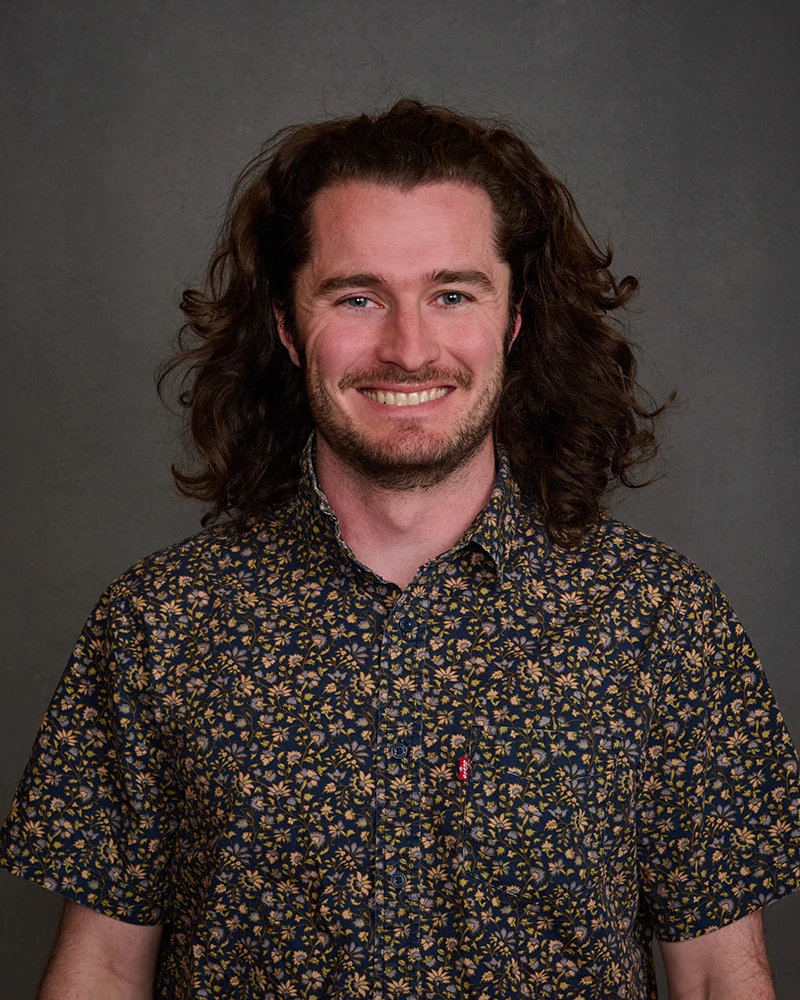
Liam Kilroy
Liam has a diverse professional background spanning research, energy policy, and data analysis. He brings a cross-functional approach to researching and developing customer solutions, and providing analysis on an ever-evolving energy sector. Before joining Relae, he worked as a Solutions Engineer at an energy policy data SaaS company, where he helped sustainability and energy transition focused customers optimize their policy research and management. Liam has also worked as a Technical Account Manager at a carbon accounting SaaS company, where he helped customers integrate a wide variety of energy and spend data into an emissions accounting platform. In this role, he also worked with product and data services teams to develop new internal tools and external platform features.

Peter Psarras, PhD

Peter Psarras, PhD
,
Dr. Peter Psarras is a chemical engineer and carbon management expert with over 15 years of experience in lifecycle and techno-economic assessment of engineered systems. Prior to joining Relae, he was a Research Professor at the University of Pennsylvania in Chemical Engineering and Energy Policy where he led research on carbon capture, utilization and storage, direct air capture and carbon mineralization. His work operated at the interface of process engineering, energy policy, and real-world deployment constraints across the entire value chain. He previously held postdoctoral appointments at Stanford University and the Colorado School of Mines, where he conducted research on geospatial deployment optimization of carbon management systems. He received his PhD from Cleveland State University, where his research focused on catalyst development for CO₂-based synthetic fuels. His career spans scales from the molecular-level to system-wide deployment, providing a foundation for navigating the complexities of real-world carbon management.
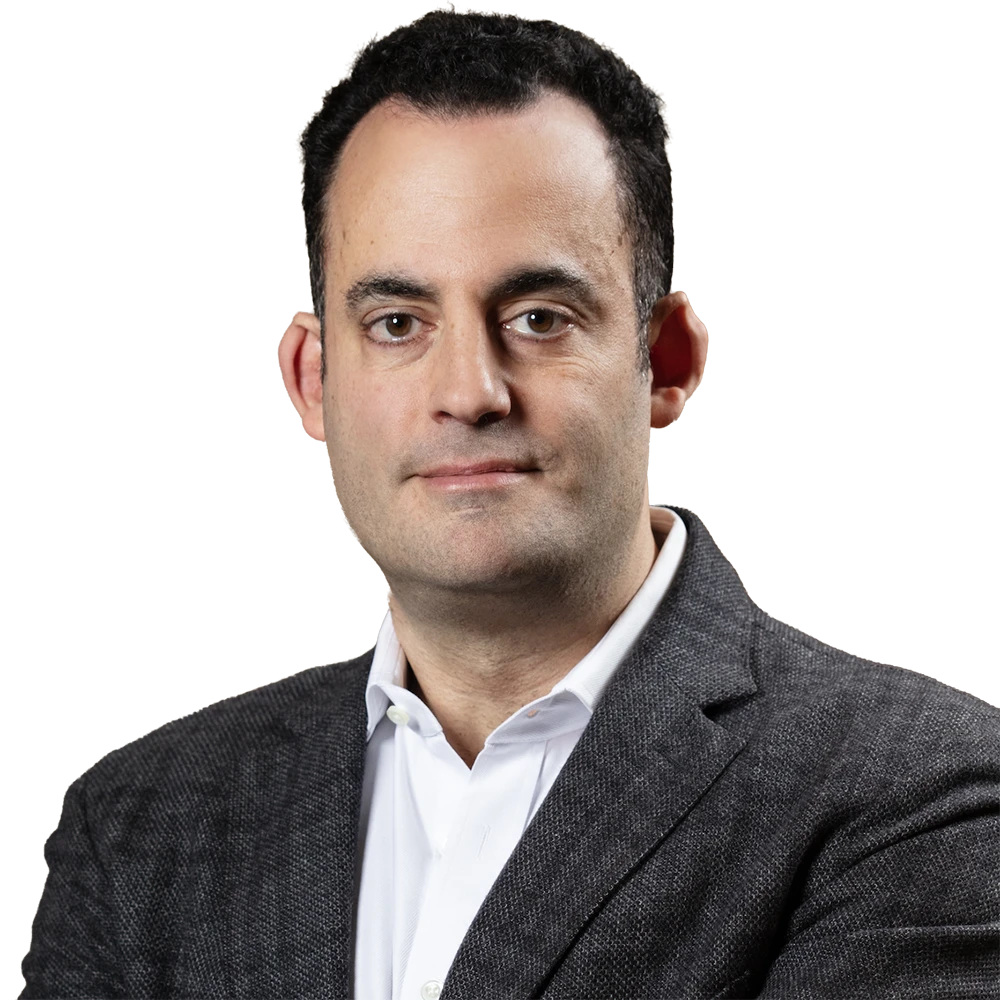
Jonathan Goldberg
Jonathan Goldberg
Jon Goldberg is an energy and power expert focused on how markets, infrastructure, and technologies scale in the real world. Drawing on more than 20 years of upstream, downstream, and power markets experience, he combines climate science rigor with practical insights to advance large-scale decarbonization and clean, firm power.
Founded in 2020, Relae's team of scientists and finance, policy, and market experts, has served 150+ clients globally across carbon dioxide removal, carbon measurement, clean, firm power opportunities, and low-carbon energy solutions. Jon is also the founder of Carbon Direct Capital, a NY-based asset management firm investing in clean energy, decarbonization solutions and related technologies with a science-focused approach.
Prior to Relae, Jon founded and served as Chief Investment Officer of BBL Commodities, a commodity hedge fund. Earlier, he was a partner at Glencore, where he led the firm's US derivatives business ahead of its IPO. He began his career at Goldman Sachs (J. Aron), investing across global macro markets with an emphasis on commodities.
Jon currently sits on the boards of Columbia University's Center for Global Energy Policy and Village Health Works. He is also an advisor to Lawrence Livermore National Lab on negative emissions and the co-chair of SB COP's Nature-Based Solutions Working Group. Jon is a regular lecturer and contributor on energy, power, and climate issues. He graduated from Yale College with a degree in economics.
Board Member, Center on Global Energy Policy at Columbia University

Douglas Bryan
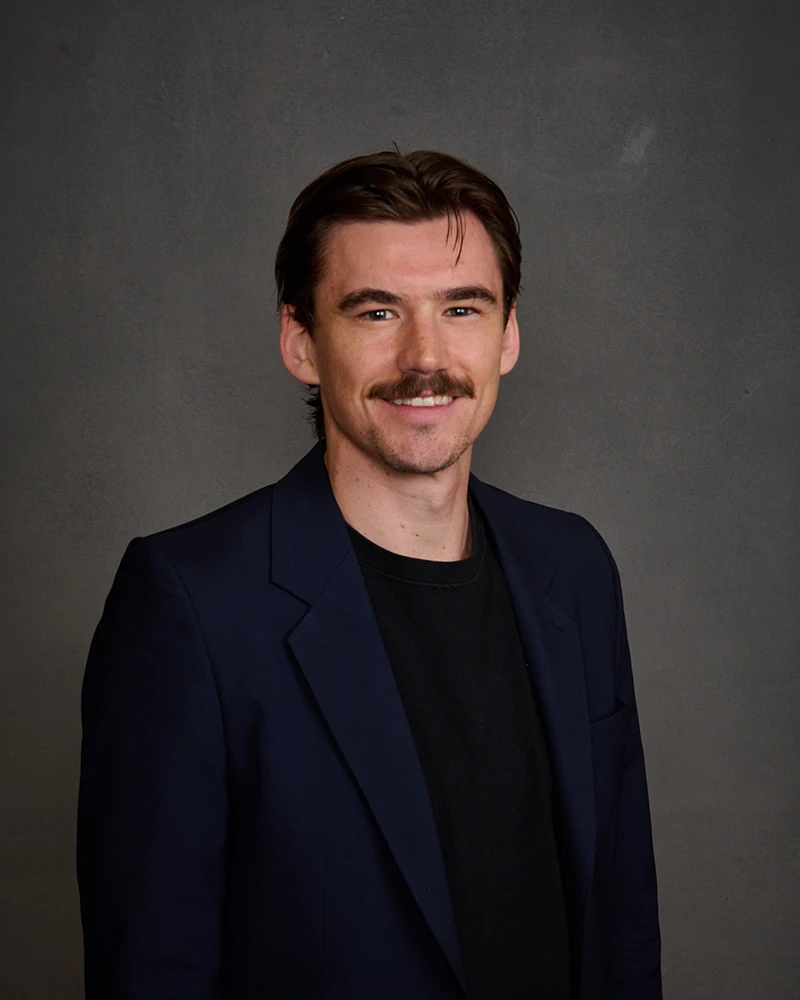
Douglas Bryan
,
Douglas Bryan is an energy economist with a decade of experience across global energy markets, including the US, Canada, Europe and Australia. He specializes in evaluating the impacts of policy and investment decisions through advanced energy system modeling.
Douglas has led a diverse range of analyses on utility integrated resource planning, electricity decarbonization policy, and market advisory due diligence. He has extensive experience evaluating the business case for power sector investments, including battery and long-duration energy storage, and advising utilities on the greenhouse gas implications of load and resource planning scenarios. He also leads Relae’s battery storage modeling Beyond electricity, he has simulated deployment of Carbon Dioxide Removal technologies, including Direct Air Capture, BECCS and Ocean Alkalinity Enhancement, via energy-economy modeling.
A trusted expert in energy system and economic analysis, Douglas previously served as a Senior Project Manager at Navius Research, where he presented at regulatory tribunals and led technical workshops. At Relae, he leverages this background to help clients navigate complex decarbonization efforts. He provides the rigorous analysis needed to quantify the carbon impact of operations and identifies the most effective strategies for integrating low-carbon energy solutions into power portfolios.

Julia Millot

Julia Millot
,
Julia Millot is a Senior Power Decarbonization Manager at Relae, working directly with clients on measuring and reducing electricity-related GHG emissions and optimizing power portfolios. Julia has over a decade of experience working with clients in the energy, tech, retail, financial, and manufacturing sectors on growth and climate strategies. Prior to Relae, she led US Climate Advisory at Position Green and ran her own consultancy, Green Opal Advisors, focusing on corporate decarbonization.

Daniel Garcia, PhD
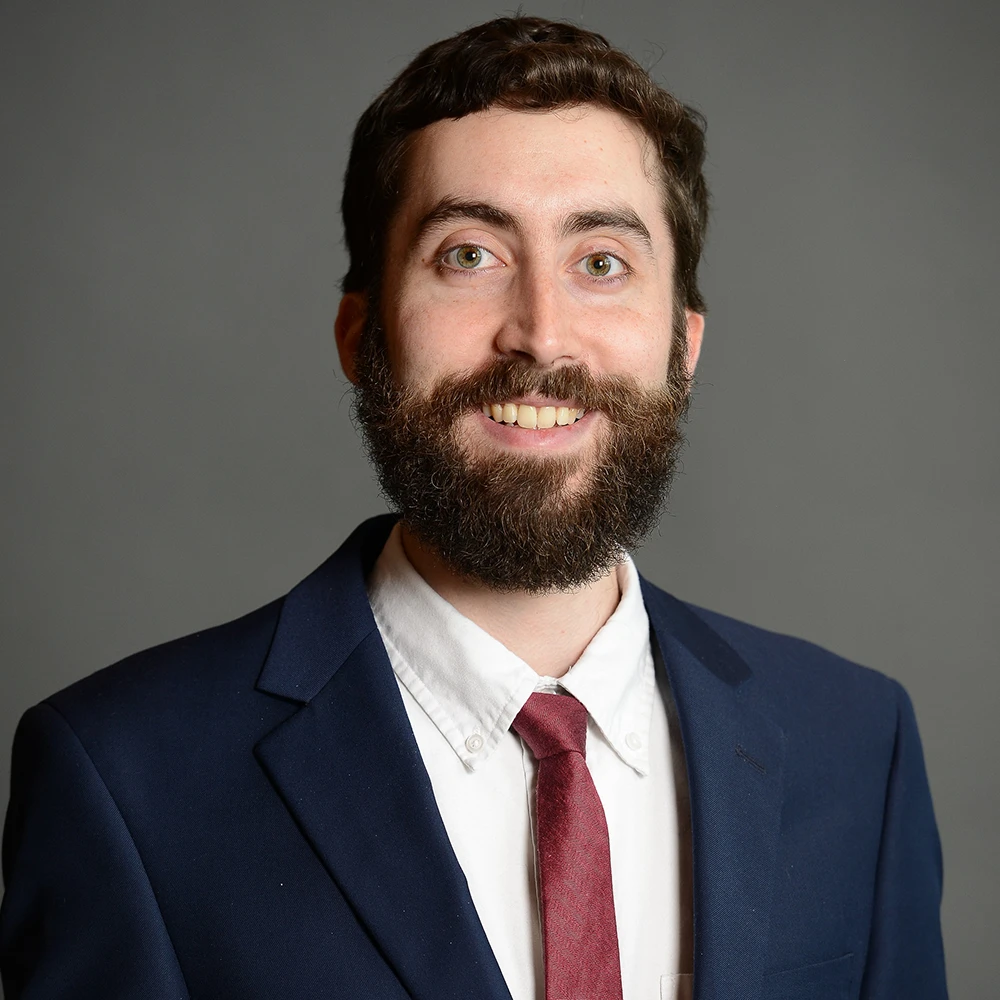
Daniel Garcia, PhD
Daniel has previous experience working in industry and government. He most recently supported the Department of Energy’s Advanced Research Projects Agency - Energy (ARPA-E) as a consultant with Booz Allen Hamilton, leading the LCA team there. Prior to that, he was a member of the LCA and Optimization team at ExxonMobil Research & Engineering.
Supported by a background in chemical engineering and process systems engineering, he has analyzed and optimized many energy systems to minimize environmental impact while maintaining profitability, including electricity and power, bioenergy systems, petrochemical systems (from extraction through refining and upgrading), carbon-negative building materials, agriculture, iron and steelmaking, EV batteries, and CO₂ removal technologies - specifically biomass carbon removal and storage (BiCRS).
Presidential Fellow
Northwestern University, 2017-2019
AIChE Sustainable Engineering Forum Student Paper Award
AIChE, 2018
Fellow
Institute for Sustainability and Energy at Northwestern (ISEN), 2015-2016
Ryan Fellow
International Institute for Nanotechnology, 2013-2015

Grant Gutierrez, PhD
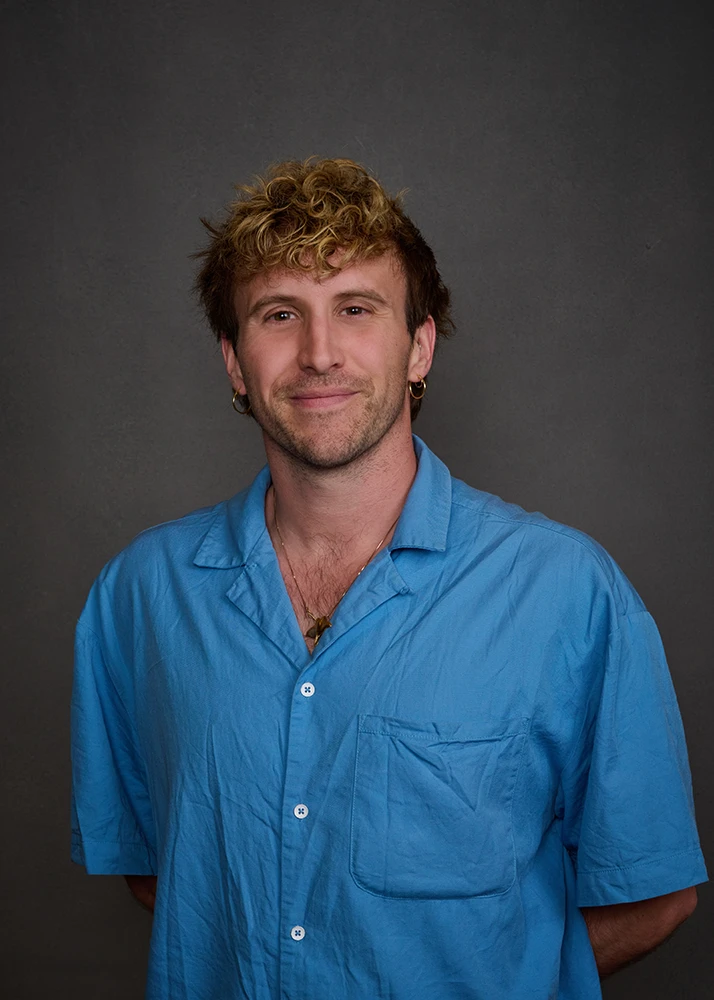
Grant Gutierrez, PhD
,
Dr. Gutierrez is an environmental and climate justice practitioner, drawing on work across community-based research, public policy, and direct climate advocacy. Trained as a cultural anthropologist and political ecologist, he has conducted ethnographic fieldwork with environmental justice movements in Chile, rural northern California, and the Puget Sound on topics of watershed conservation and Indigenous sovereignty, renewable energy development, superfund remediation, and floodplain restoration. Alongside his work at Relae, he is affiliate faculty at the School of Environmental & Forest Sciences at the University of Washington, where he teaches and conducts research on the environmental justice dimensions of climate change adaptation.
Prior to joining Relae, Grant served as an environmental justice policy lead in state and local government in Washington, where he led efforts to implement the HEAL Act—Washington’s landmark environmental justice law—and advance equitable development and community planning through the Duwamish Valley Program at the City of Seattle. He serves on the board of the Duwamish River Community Coalition, a community-based organization focused on environmental justice and climate resilience in South Seattle.
Switzer Environmental Fellow, Robert & Patricia Switzer Foundation
JASE Graduate Fellow
John Sloan Dickey Center for International Understanding, Dartmouth College
Ella Deloria Research Fellow, Columbia University