Environmental Attribute Certificates (EACs) for Low-Carbon Materials
The construction sector is one of the largest contributors to global greenhouse gas emissions, with cement, concrete, and steel alone accounting for a significant share of industrial carbon output. To meet ambitious climate goals while still meeting the world’s demand for infrastructure and buildings, we must find scalable solutions to decarbonize these hard-to-abate materials. One emerging tool is the environmental attribute certificate (EAC)—a market-based instrument that can provide transparency, verify emissions reductions, and accelerate adoption of low-carbon materials.

John Dees, PhD
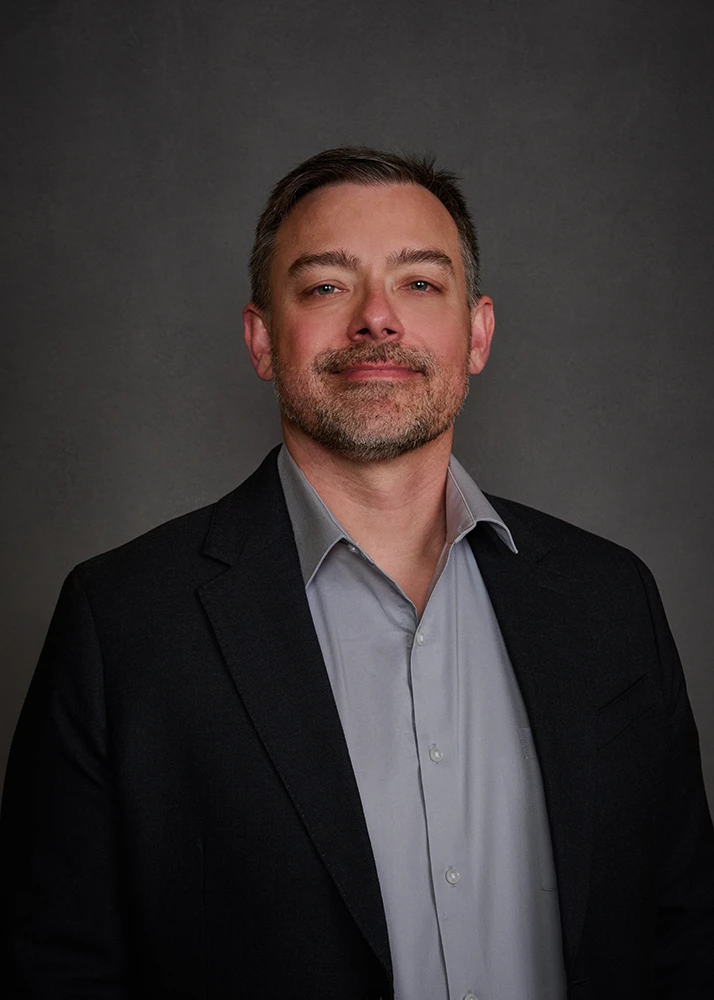
John Dees, PhD
,

Dr. Dees leads Relae's scientific advisory practice for the transportation fuel and industrial commodity sectors. He brings interdisciplinary expertise to the bioeconomy and bioenergy systems, bridging industrial ecology, economics, and climate policy to drive decarbonization. As a researcher, Dr. Dees explored the role of biomass as both an energy feedstock and a substrate for carbon removal (BiCRS), integrating technoeconomic analysis and life cycle assessment with market-enabling policy. His work has been featured in leading academic journals, including Environmental Science and Technology, Green Chemistry, and ES&T Water. Over a two-year collaboration with the Energy Systems team at Lawrence Livermore National Laboratory, Dr. Dees was a lead contributor to the US DRIVE Net-Zero Carbon Fuels Technical Analysis, evaluating the potential for ethanol decarbonization and the climate impacts of sustainable aviation fuels (SAF). At Relae, he directs an interdisciplinary team to provide strategic guidance at the intersection of transport fuels and heavy industry. He has spearheaded the development of industry-standard resources, including the Sustainable Aviation Fuel Primer and the Criteria for High-Quality Environmental Attribute Certificates for the steel and concrete sectors.
Graduate Fellow (2015-2020), NSF; Udall Scholar (2014), Udall Foundation

Katherine Vaz Gomes, PhD

Katherine Vaz Gomes, PhD
,
Katherine Vaz Gomes is a senior decarbonization engineer dedicated to advancing carbon management solutions that bridge scientific innovation with real-world implementation. With a background in chemical and biomolecular engineering, she specializes in carbon mineralization, critical mineral extraction, and techno-economic assessment of emerging decarbonization technologies.
At Relae, Katherine advises clients on the technologies to reduce the emissions of cement, concrete, and mining while maintaining economic growth. She works on strategies to lower the carbon intensity of concrete by integrating carbon mineralization into cement production and utilizing industrial waste streams as feedstocks for carbon removal. Her expertise in circular economy principles helps industries scale up low-carbon solutions by repurposing byproducts from mining and industrial processes into valuable materials.
Katherine conducts due diligence on carbon management projects, ensuring that emerging technologies are scientifically robust, economically viable, and scalable. She also supports decarbonization strategies for the mining sector, evaluating pathways to capture and store carbon in mine tailings while extracting critical minerals essential for the energy transition.
Katherine received a PhD in Chemical Engineering at the University of Pennsylvania, with a focus on the process engineering, techno economics, and government regulations involved in using mining waste to store greenhouse gases and produce critical minerals.
Critical Mineral Leadership Academy, Inaugural Cohort
Columbia University Women in Energy Fellowship, 2026 Cohort

David Lluis Madrid

David Lluis Madrid
David helps clients understand more about the most impactful and cost-effective carbon reduction and removal actions they could take.
Prior to joining Relae, David was the lead research analyst on carbon capture, utilization and storage at BloombergNEF, where he wrote the company’s CCS market outlooks and specific research pieces on direct air capture, CO₂-to-fuels and CO₂ capture cost drivers.
Imperial Excellence Scholarship
In This Session
- A clear understanding of what EACs are and why they matter for low-carbon materials
- Insight into the quality criteria that define integrity and ensure EACs deliver real climate impact
- Lessons from Microsoft’s buyer perspective on using EACs to meet sustainability targets
- Guidance on how EACs can support procurement, supplier collaboration, and market development for decarbonized cement, concrete, and steel