Improved Forest Management: Progress, Challenges, and Opportunities

Beyond Minimum Compliance: What High-Quality IFM Actually Demands
IFM is one of the most promising interventions for delivering tens of millions of tonnes of carbon dioxide removal in the next 5–10 years. However, IFM has faced scrutiny. Many early projects were criticized for overestimating their climate impact or exploiting gaps in methodology that allowed overcrediting.
Recent methodological advances are currently being applied to industrial forestlands in the United States and have the potential to scale globally. This is an exciting inflection point for IFM's potential. The framework provides developers and buyers with concrete tools to close the gap between minimum registry requirements and what high-quality credits actually demand.
What's Inside
- Baselines and additionality. Why the two must be linked, and what makes a baseline credible.
- Leakage accounting. A practical approach to assessing leakage risk through individualized, evidence-based indicators.
- Social design. A framework for stakeholder engagement, harm mitigation, and community benefit sharing, with minimal acceptable and best practice criteria.
- Key takeaways for buyers and developers. Practical guidance for each focus area, plus illustrative case studies of leakage risks.
Frequently Asked Questions
IFM is the practice of managing existing forests so they store more carbon while continuing to produce timber, including by extending harvest rotations, reducing logging intensity, or enhancing riparian buffer protection.
Because most industrial timberland is privately owned, projects rarely face the level of stakeholder engagement or community consultation requirements that apply to publicly regulated land uses, and some registry standards require no social design elements at all.
Buyers who price transparent baselines, conservative leakage accounting, and meaningful social design into what they pay create the demand signal that drives quality improvement.
Why Relae and Microsoft
Relae is the trusted advisor in energy and climate, delivering scientifically rigorous, technically advanced, and commercially grounded solutions. This paper builds on six consecutive annual publications of the Criteria for High-Quality Carbon Dioxide Removal (CDR), jointly released by Relae and Microsoft, along with Relae's companion guidance on sustainable agriculture and forestry biomass sourcing for CDR buyers, which were also developed in collaboration with Microsoft.
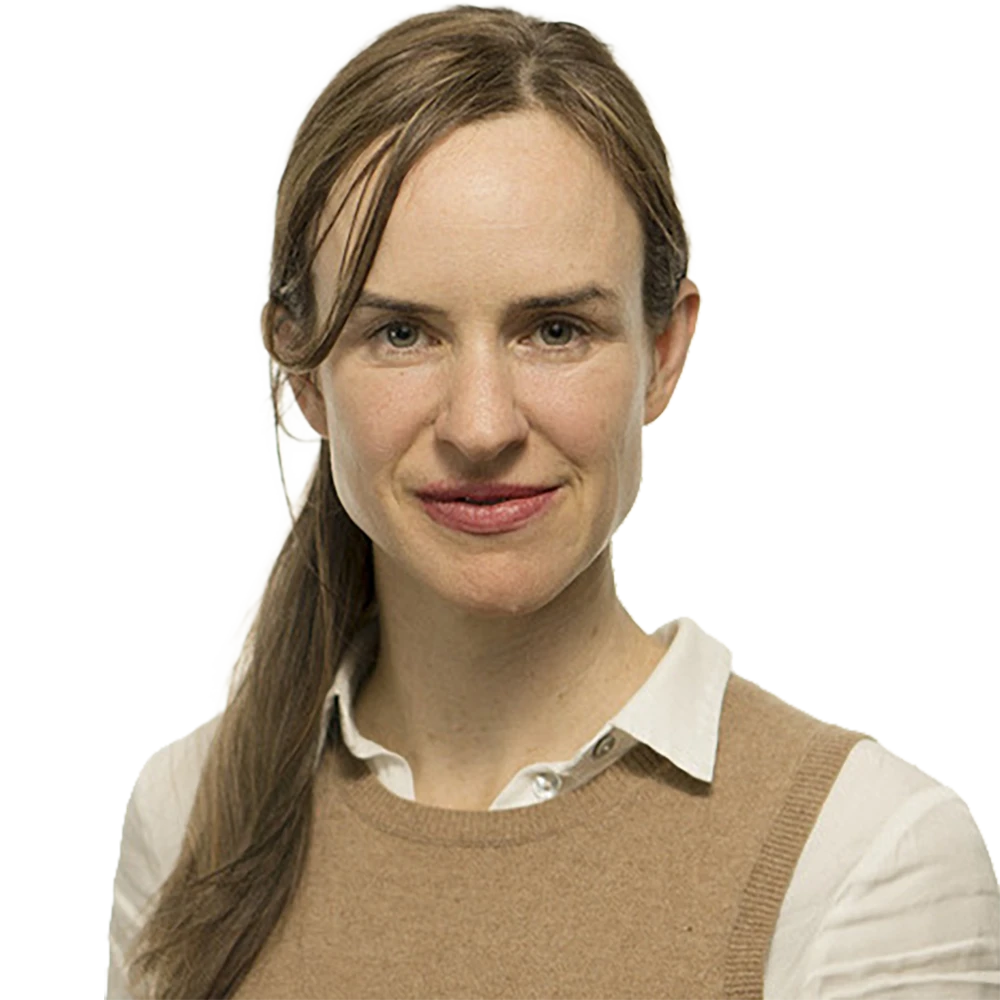
Letty Brown, PhD
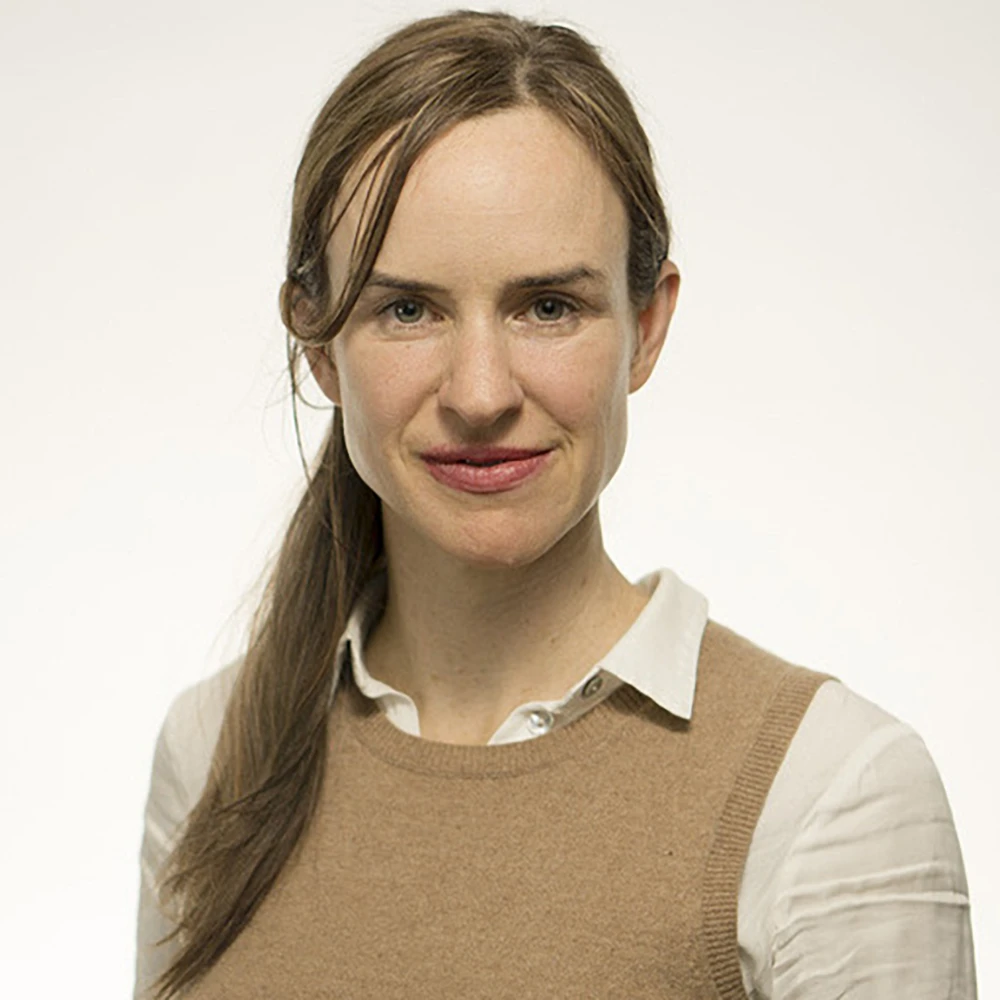
Letty Brown, PhD
,

Dr. Brown holds cross-sector expertise in ecosystem restoration, vegetation ecology, conservation planning, carbon measurement, and natural climate solutions. Before joining Relae, she worked extensively in natural resources management, and led research teams in a variety of capacities, including mapping and helping designate conservation targets in the northern Brazilian Atlantic Forest and developing oak woodland restoration plans in coastal California. She has worked on land-based carbon projects in the forests of Brazil, Peru, Colombia, Ecuador, Guatemala, Costa Rica, Panama, Cambodia, Indonesia, Kenya, Tanzania and the United States. Dr. Brown holds a Ph.D. from the Environmental Science, Policy, and Management (ESPM) Department at UC Berkeley and conducted post-doctoral work in Brazil. Her graduate work was supported by a 5-year grant from the USDA-Forest Service. Dr. Brown currently teaches at UC Berkeley. She is also a Fulbright Scholar.
Fulbright Scholar, Fulbright Program; UC Berkeley Environmental Science Policy and Management Research Fellowship; Duke University Organization for Tropical Studies Fellowship; National Science Foundation Travel and Workshop Grant; California Native Plant Society Scholarship
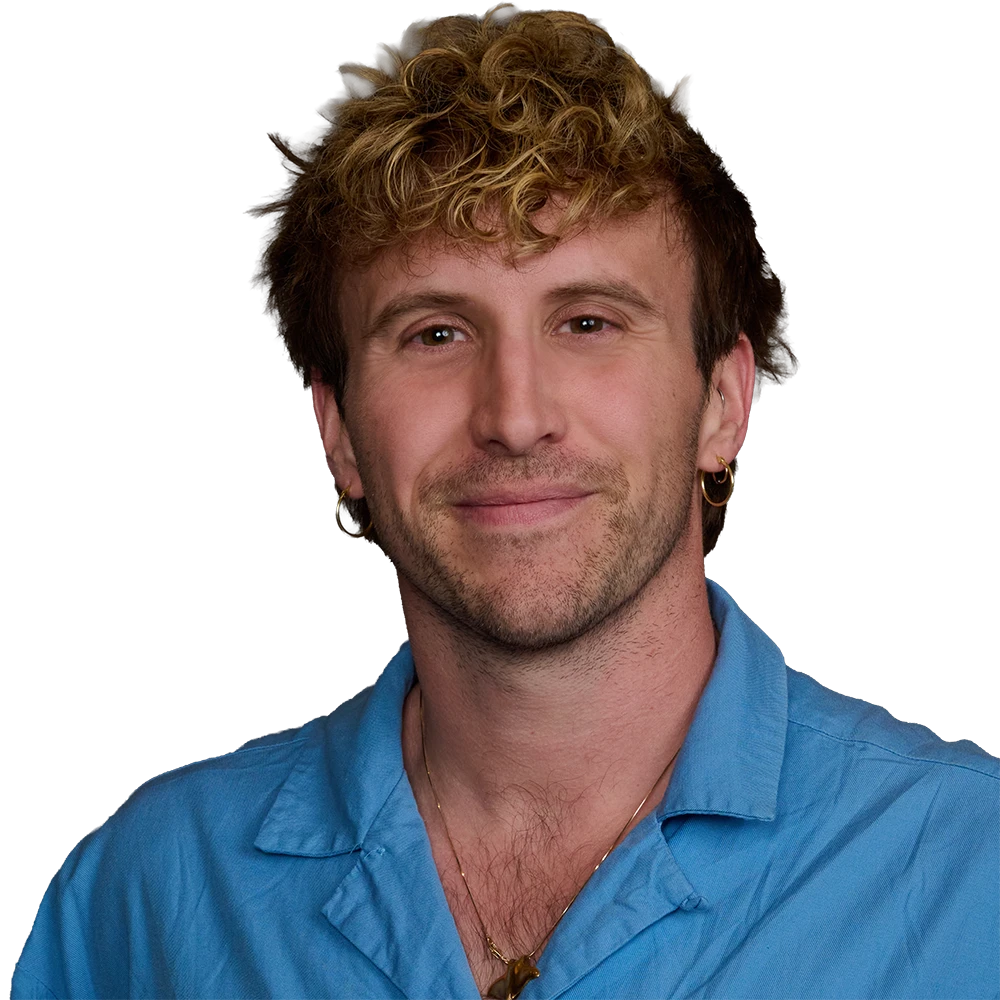
Grant Gutierrez, PhD
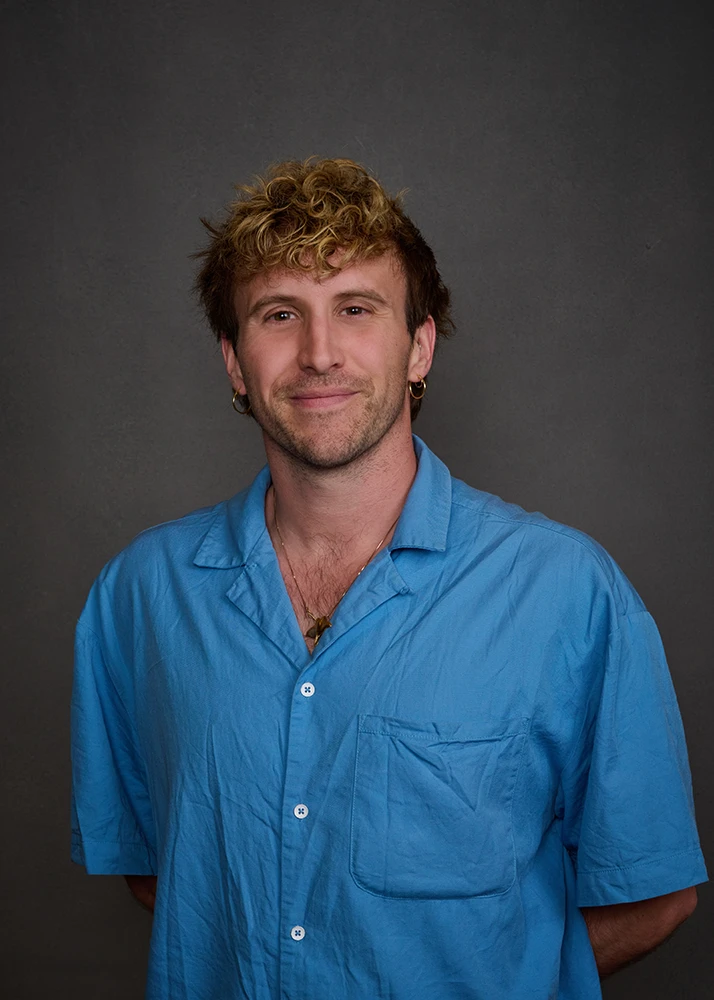
Grant Gutierrez, PhD
,
Dr. Gutierrez is an environmental and climate justice practitioner, drawing on work across community-based research, public policy, and direct climate advocacy. Trained as a cultural anthropologist and political ecologist, he has conducted ethnographic fieldwork with environmental justice movements in Chile, rural northern California, and the Puget Sound on topics of watershed conservation and Indigenous sovereignty, renewable energy development, superfund remediation, and floodplain restoration. Alongside his work at Relae, he is affiliate faculty at the School of Environmental & Forest Sciences at the University of Washington, where he teaches and conducts research on the environmental justice dimensions of climate change adaptation.
Prior to joining Relae, Grant served as an environmental justice policy lead in state and local government in Washington, where he led efforts to implement the HEAL Act—Washington’s landmark environmental justice law—and advance equitable development and community planning through the Duwamish Valley Program at the City of Seattle. He serves on the board of the Duwamish River Community Coalition, a community-based organization focused on environmental justice and climate resilience in South Seattle.
Switzer Environmental Fellow, Robert & Patricia Switzer Foundation
JASE Graduate Fellow
John Sloan Dickey Center for International Understanding, Dartmouth College
Ella Deloria Research Fellow, Columbia University
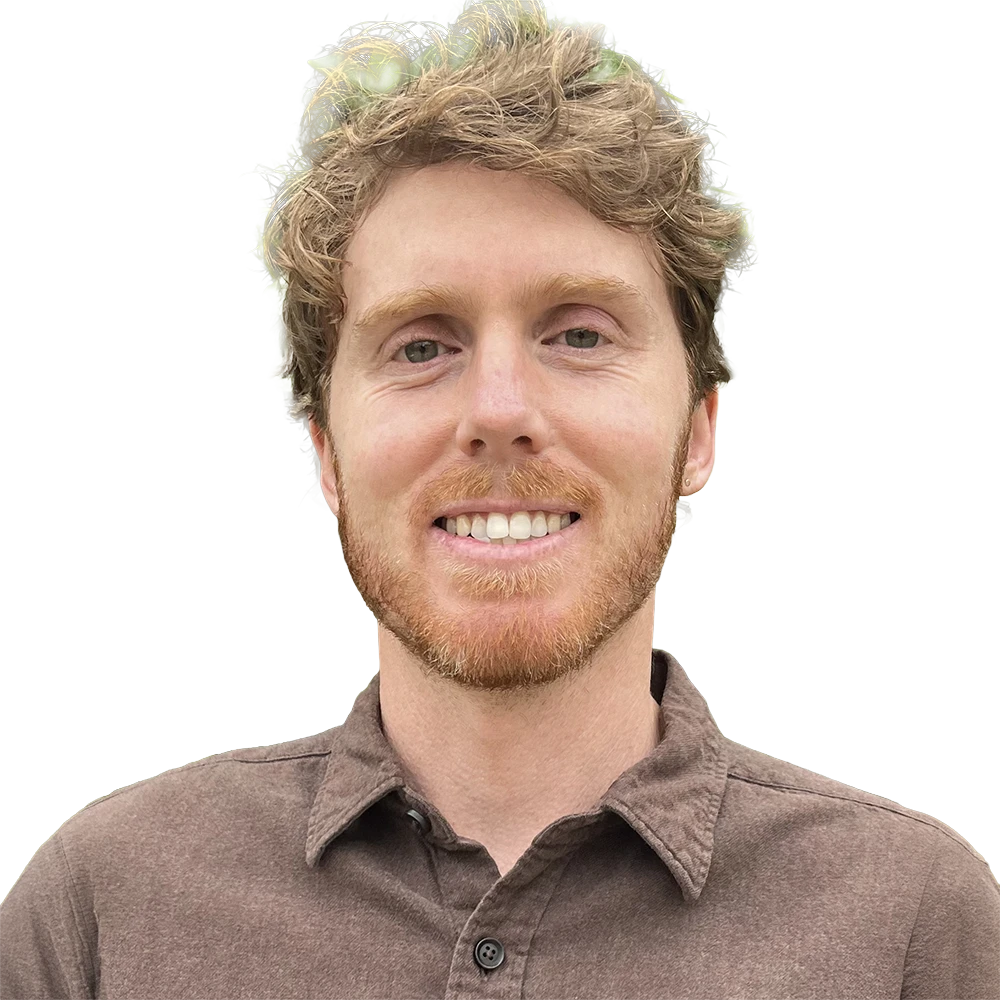
Adam Hanbury-Brown, PhD
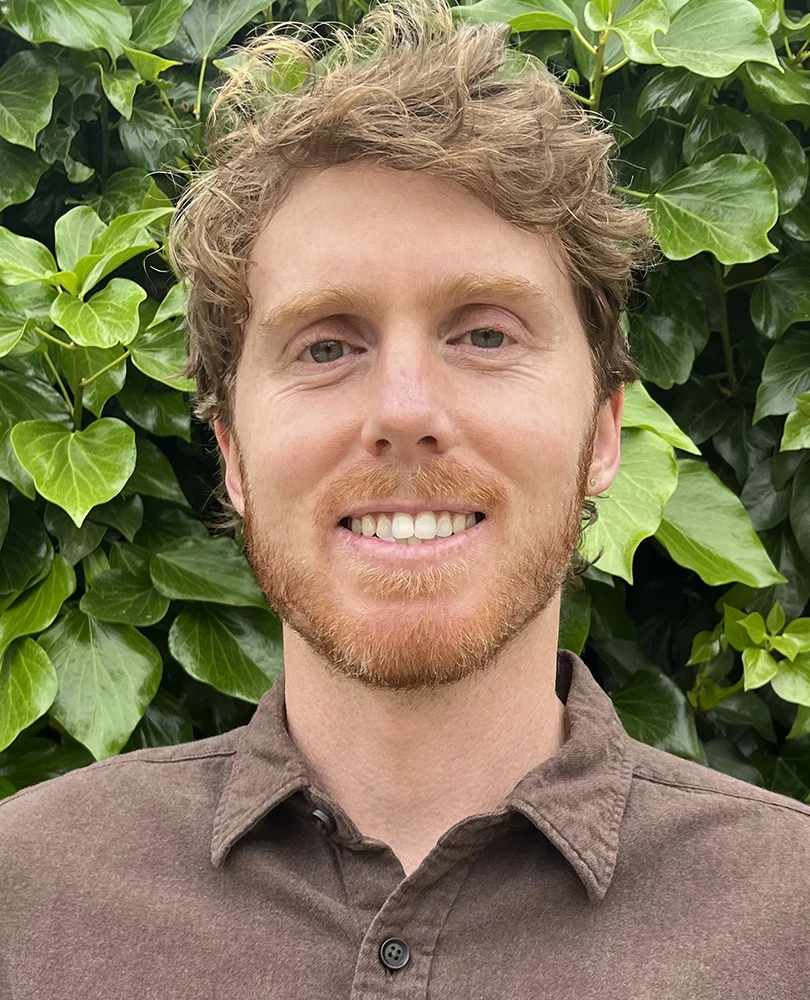
Adam Hanbury-Brown, PhD
,
Prior to joining Relae Adam was a postdoctoral researcher at Lawrence Berkeley National Lab and UC Davis where he used a state-of-the-art mechanistic vegetation model to predict how California's forests will respond to changing management, fire regimes, and climate. Adam earned his PhD in the Energy and Resources Group at UC Berkeley where he improved the representation of ecological processes in the vegetation components of Earth System Models. During his PhD Adam was also funded by NASA to use remote sensing to understand what drives post-fire forest regeneration outcomes in California.
Prior to his graduate work, Adam worked for an agriculture technology company called Terviva where he focused on the science and commercialization of a sustainable tree crop called pongamia. Adam received his BA in Environmental Science from Pitzer College.
Future Investigator in NASA Earth and Space Science Technology
NASA
Fellowship in Data Science for the 21st Century
National Science Foundation
Fellowship in Research at Biology-Mathematics Interface
National Science Foundation

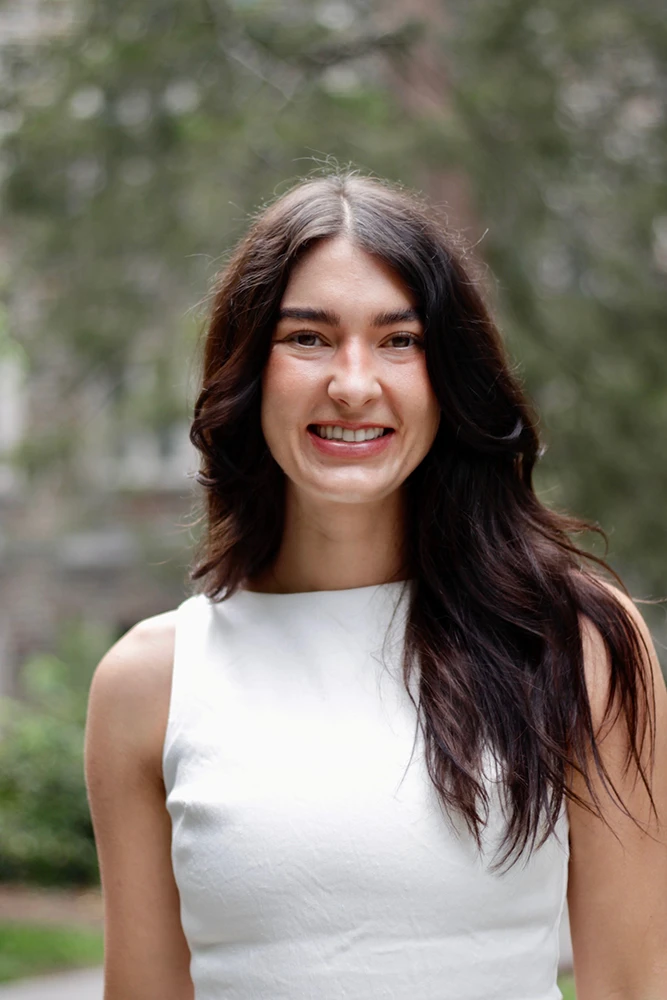
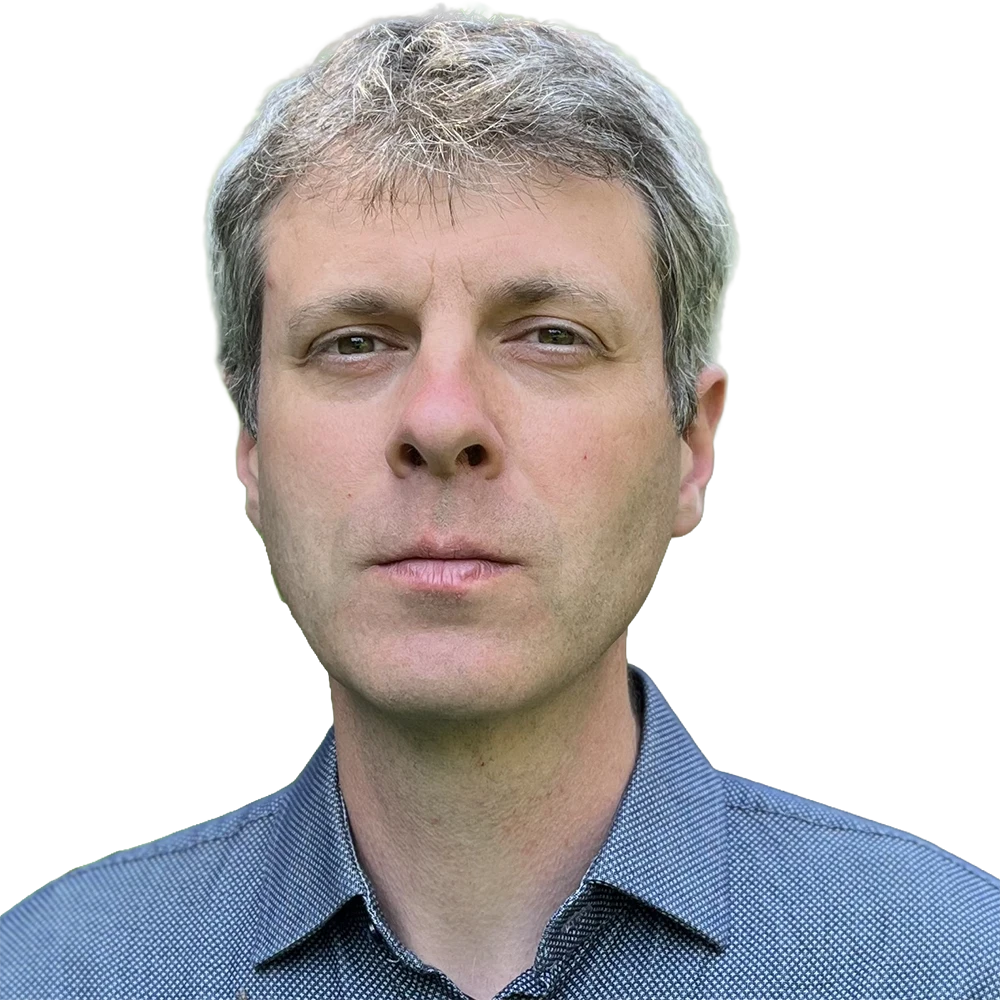
Logan Sander
Logan Sander
,
Logan Sander uses his experience in forest management, biodiversity and forest tenure to apply an interdisciplinary approach to his work. Before joining Relae, Logan worked extensively in natural resources management. His early work included conducting vegetation surveys throughout Alaska for the USDA-NRCS and supporting projects to address deforestation in Morocco as a Peace Corps Volunteer. He later conducted agroforestry research and fieldwork in Jamaica and Sri Lanka. Subsequently, as a consulting forester, Logan provided forest management expertise to landowners in the Pacific Northwest. Most recently, he was a researcher on diverse projects supporting community forestry and collective forest tenure for clients such as the World Bank, Forest Carbon Partnership Facility, FAO, and private foundations. Logan has extensive field experience in Alaska, the Pacific Northwest and New England, Morocco, Latin America and the Caribbean, and Sri Lanka.
Get the White Paper
Explore the Relae and Microsoft white paper on high-quality improved forest management credits, from baselines and additionality to leakage and social design.